
À propos des douleurs au cou
Neck pain includes pain, stiffness or related limitation in the cervical region. Symptoms may be neck-dominant, referred to the shoulder girdle or upper limb, or accompanied by neurological features. A working clinical profile should be revisited when the presentation or response changes.
Neck pain is common and may recur or persist, with meaningful effects on daily activities, work and participation; group-level burden estimates do not predict an individual person’s course (GBD 2021 Neck Pain Collaborators 2024).
Scope: this pathway supports conservative assessment and care for adults with non-specific neck pain, referred upper-quarter symptoms, cervical radicular presentations and whiplash-associated disorders Grades I-III after appropriate safety screening. It does not cover suspected serious pathology, fracture or instability, spinal cord injury, post-operative care, concussion or mild traumatic brain injury as the primary concern, primary headache or vestibular disorders, or people under 18. Refer to relevant guidance and arrange referral or co-management when needs fall outside this scope.
À propos des parcours de soins du CCG
Objectif
CCG is a knowledge translation resource of the Canadian Chiropractic Association. Its care pathways help chiropractors and other clinicians organize conservative care for musculoskeletal conditions. Each pathway outlines the main steps of the clinical encounter and supports decisions about assessment, care, monitoring, referral, co-management, and discharge. The pathways provide a structured approach to care, not a fixed prescription.
Développement
Pathways draw on relevant clinical practice guidelines, systematic reviews, peer-reviewed literature, and safety or professional sources. These sources inform, but do not determine, pathway content. Their findings reflect the questions, populations, outcomes, methods, and judgments used and may not apply to every person. Condition-specific sources are identified by author or organization and year, with full citations in one reference list at the end of the pathway.
Principles of Care
Musculoskeletal conditions are shaped by physical, psychological, social, cultural, and environmental factors, so no single approach fits everyone. Good care is ethical, evidence-informed, person-centred, culturally responsive, and tailored to the patient’s goals, preferences, circumstances, and response. Shared decision-making and informed consent guide care. Education, active rehabilitation, and self-management support recovery, functioning, participation, and long-term health. Regular reassessment shows whether the plan is helping and when to continue, adapt, stop, refer, co-manage, or discharge.populations.
Pathway Flow at a Glance
The pathway follows a recurring clinical cycle: understand the person and their goals; screen for safety and referral needs; develop a working clinical profile; agree on a plan and relevant outcomes; provide care; reassess response and safety; and continue, adapt, stop, refer, co-manage, or discharge as appropriate.
Avis de non-responsabilité
CCG care pathways support professional clinical judgment; they do not replace it or the advice of a qualified provider. They are not prescriptive, authoritative, or regulatory and are not intended for diagnosis or billing. Clinicians remain responsible for practicing within their competence and scope, meeting applicable legal and regulatory requirements, obtaining informed consent, recognizing emergencies, and arranging referral or co-management when needed.
Parcours de soins pour les douleurs cervicales
1. Tenue des registres
Accurate, timely, and sufficiently detailed documentation supports safe, high-quality care. The record should reflect clinically relevant patient interactions, clinical reasoning, decisions, care provided, and progress over time. Documentation should meet the legal, regulatory, privacy, retention, and organizational requirements that apply where the clinician practices. A structured format, such as SOAP, may support consistency, clarity, and continuity and can be adapted to the encounter and practice setting.
Subjectif : Record the patient’s concerns, symptoms, functioning and participation, goals, preferences, relevant history and context, and response or adverse effects from previous care.
Objectif: Record relevant examination findings, outcome measures, diagnostic test results when available, and clinically important changes.
Évaluation: Record the clinical interpretation of findings, working diagnosis or clinical profile, differential and safety considerations, relevant risk factors or modifiers, and the patient’s progress or response.
Planifier: Record care provided or proposed, education and self-management, consent and patient decisions, changes to the plan, agreed outcomes and reassessment point, referrals or co-management, follow-up, and discharge planning.
Document at the time of the encounter or as soon as practicable. Corrections and additions should preserve the integrity of the record. Clear records support patient safety, shared decision-making, communication, continuity, and accountability.
2. Consentement éclairé
- Définition: A continuing process in which a capable patient, or an authorized substitute decision-maker when required, voluntarily agrees to a proposed examination or intervention after receiving and understanding the information needed to make an informed choice.
- Aspects clés :
- Avant l'interaction : Obtain consent before beginning an examination, procedure, or treatment, except where applicable law permits otherwise. Explain what is proposed and why. Revisit consent when the plan or material information changes.
- Volontairement et spécifiquement : must be voluntary and specific to the proposed care. Consider the patient’s capacity for the decision at the time it is required and follow applicable requirements for substitute decision-making when the patient lacks capacity. The patient may ask questions, refuse, place limits on, or withdraw consent.
- Processus transparent : Use honest, plain, and accessible communication. Offer interpretation or other communication support when needed and consider language, culture, health literacy, disability, and prior trauma. Written or digital information may support but does not replace discussion.
- Compréhension et entente du patient :
- Diagnostic/pronostic : Explain relevant findings, the clinical impression or working diagnosis, important uncertainty, and the expected course in understandable language.
- Plan de traitement : Discuss the nature and purpose of proposed care, expected benefits, material risks and side effects, burdens, reasonable alternatives, the option of no intervention, and the likely consequences of accepting or declining.
- Questions : Invite questions, explore goals and preferences, allow appropriate time for a decision, and confirm understanding, for example using teach-back.
- Documentation : Record the consent discussion and decision, including material information provided, questions, capacity or substitute decision-maker where relevant, consent, refusal, limits or withdrawal, and any need to revisit consent. Follow documentation requirements applicable to the jurisdiction and practice setting.
3. Historique médical
- Use culturally safe, trauma- and violence-informed care. Explain why questions matter, seek permission before sensitive topics, and adapt communication to the patient’s language, identity, culture, disability and previous health care experiences (Public Health Agency of Canada 2018).
- Informations sociodémographiques : age, sex, gender identity, language, occupation, school, caregiving responsibilities, hand dominance when relevant, and the patient’s preferred ways of communicating and participating in decisions.
- Primary concerns:
- Context and onset: spontaneous or gradual onset; recent or remote trauma; collision details when relevant; prior episodes; previous neck, head, shoulder or arm injury; surgery; and whether symptoms are improving, stable, fluctuating or worsening.
- Location and pattern: duration, course, intensity, irritability and pattern of neck, shoulder or arm symptoms.
- Aggravating and relieving activities; movement, position, load and time-related behaviour; and previous episodes.
- Aggravating and relieving activities and postures, including sustained positions and screen or device use.
- Associated symptoms, including headache, dizziness, visual or speech disturbance, facial or limb sensory change, weakness, gait or balance change, hand clumsiness, bowel or bladder change, fever, systemic illness and effects on sleep, work, school, driving, caregiving and participation.
- Revue des systèmes corporels : select relevant cardiovascular, neurological, respiratory, gastrointestinal, genitourinary, rheumatological, infectious and constitutional questions based on the presentation.
- Santé, mode de vie et histoire : past health conditions and musculoskeletal concerns; cancer, infection, inflammatory disease, osteoporosis or fracture risk; injuries, hospitalizations and surgeries; migraine or headache history; current medications and supplements, including anticoagulants and corticosteroids when relevant; physical activity, sleep, smoking, alcohol and substance use.
- Social determinants of health: work, education, caregiving, income, housing, food security, discrimination, safety, social support and access to appropriate care when relevant to health, access or participation (Public Health Agency of Canada 2026a).
- Soins et interventions antérieurs : advice, treatment, investigations or self-management tried; what helped or did not help; adverse effects; and reasons care was difficult to use or continue.
- Patient perspective: understanding of the problem, priorities, preferences, cultural context, concerns, expectations, confidence, strengths and previous experiences of care.
- Flag review: check Red Flags and use the fixed Orange Flags and Yellow Flags sections when relevant.
Outcomes measures Use a small set of measures that are meaningful to the patient and practical to repeat. Record a baseline and reassess often enough to guide decisions. The following are examples, not an exclusive list.
- Patient-specific functioning: Patient-Specific Functional Scale (PSFS)
- Disability and participation: WHO Disability Assessment Schedule 2.0 (WHODAS 2.0).
- Qualité de vie : the patient’s own rating or a validated measure suitable for the setting, such as WHOQOL-BREF.
- Additional measures can include the Neck Disability Index or measures of symptom impact, perceived recovery, sleep, work or school when the result will inform care.
- Objectifs individuels : agree on patient-defined goals and how progress will be recognized. SMART wording may be used when helpful.
4. Red Flags: Possible Serious Conditions and Other Causes of Neck Pain
Red flags are prompts for clinical reasoning, not diagnoses on their own. Interpret the whole presentation, new change and combination of findings, and use clinical judgement. Serious cervical, neurological, vascular or non-spinal pathology may be uncommon but requires timely action when suspected. Evidence for the accuracy of individual red flags is limited; the Canadian C-Spine Rule is an exception for eligible trauma presentations (Feller et al. 2024).
ACTION: Arrange emergency assessment immediately:
- Acute or rapidly progressive spinal cord or neurological compromise: new substantial limb weakness; new bilateral or multilevel sensory change; sudden loss of hand function; major gait or balance change; new bowel or bladder dysfunction with neurological findings; or rapidly increasing upper or lower motor neuron findings (Hilton et al. 2022; Jiang et al. 2024).
- Stroke, cervical arterial dissection or another vascular emergency: sudden focal neurological symptoms or new unusual unilateral neck, head or facial pain, especially when unlike previous pain or accompanied by severe unsteadiness, speech or swallowing difficulty, facial or limb weakness or numbness, visual loss, pulsatile tinnitus, Horner syndrome or altered consciousness. Dissection can initially present with pain before focal neurological findings; act on the overall vascular presentation rather than waiting for a neurological deficit (Yaghi et al. 2024; Public Health Agency of Canada 2026c; Rushton et al. 2023).
- Major trauma or suspected unstable cervical fracture or dislocation: deformity, marked midline cervical tenderness, neurological or circulatory compromise, or, when the Canadian C-Spine Rule applies, age 65 or older, a dangerous mechanism or paresthesia in the extremities (Stiell et al. 2001).
- Méningite : sudden fever with intense headache and neck stiffness; photophobia, vomiting, non-blanching rash, confusion, seizure, focal neurological deficit or altered consciousness (Public Health Agency of Canada 2026b).
- Spinal infection with systemic instability: sepsis, rapidly progressive neurological findings, recent spinal procedure, immunosuppression, or bloodstream infection risk (ACR 2024 Update; El-Allawy et al. 2025).
ACTION: Arrange prompt medical assessment when suspecting:
- Intracranial pathology or raised intracranial pressure: new or progressive headache accompanying neck pain or stiffness, particularly when worse on waking, lying down or with coughing or straining, or accompanied by vomiting, visual symptoms, papilloedema, seizure, focal neurological findings, cognitive change or altered consciousness. Sudden severe headache, seizure, papilloedema, altered consciousness or acute or progressive neurological findings require emergency assessment (American College of Radiology 2022).
- Degenerative cervical myelopathy: hand clumsiness, dropping objects, loss of dexterity, gait imbalance or falls, and bilateral or asymmetric limb symptoms or weakness. Upper motor neuron findings include hyperreflexia, Hoffmann sign, clonus, an upgoing plantar response (Babinski sign) and spasticity. Lower motor neuron findings at an affected level include focal weakness, muscle wasting and reduced reflexes. Interpret the pattern because individual signs may be absent and are not diagnostic alone (Hilton et al. 2022; Jiang et al. 2024).
- Spinal infection without systemic instability: new severe or progressive focal pain with fever or chills, recent infection or procedure, immunosuppression, injection drug use or bloodstream infection risk; fever may be absent (ACR 2024 Update; El-Allawy et al. 2025).
- Malignancy or metastatic spinal cord compression: past or current cancer, severe unremitting or progressive pain, pain disturbing sleep, focal tenderness, new limb weakness or sensory loss, gait change, or bowel or bladder dysfunction (National Institute for Health and Care Excellence 2023).
- Fragility fracture: new focal neck pain after minor or no trauma with osteoporosis, prolonged corticosteroid use, older age or previous fragility fracture (ACR 2024 Update).
- Inflammatory disease: persistent pain or stiffness with night waking and improvement with movement, or associated arthritis, enthesitis, psoriasis, inflammatory bowel disease, uveitis, recent genitourinary infection or family history of spondyloarthritis (National Institute for Health and Care Excellence 2017).
- Artérite à cellules géantes : age 50 or older with new headache or neck pain and one or more of scalp tenderness, jaw or tongue claudication, visual disturbance, constitutional symptoms or polymyalgia rheumatica features. Arrange urgent medical assessment; visual loss or diplopia requires immediate escalation (Alberta Health Services 2025).
- Non-spinal cause of neck, shoulder or arm symptoms: relevant cardiovascular, pulmonary, visceral, neurological or shoulder findings, such as chest pain, shortness of breath, exertional symptoms, systemic illness or a regional examination that better explains the complaint.
ACTION: Arrange referral or shared care when:
- Radicular neurological deficit or unrelenting radicular pain: marked, functionally important or progressive objective motor, sensory or reflex deficits, or unrelenting radicular pain requiring assessment beyond the clinician’s scope. Escalate sooner when an objective deficit is progressive.
- Overlapping presentation or diagnostic uncertainty: the presentation overlaps with a headache disorder, dizziness or vestibular disorder, temporomandibular disorder, shoulder or arm condition, concussion or another condition; the working diagnosis remains uncertain; or assessment or care is needed beyond the clinician’s competence or scope.
- Safety-net advice: seek earlier reassessment for new or worsening weakness, numbness, hand clumsiness, gait or balance change, severe or progressive pain, fever, unexplained weight loss or night pain. Seek emergency care for rapidly progressive neurological change, new bowel or bladder dysfunction with neurological findings, sudden focal neurological or vascular symptoms, altered consciousness, suspected unstable trauma or fracture, meningitis features or systemic instability. Document findings, action, advice and follow-through.
5. Signaux d'alerte (drapeaux orange) : Symptômes de troubles psychiatriques nécessitant une orientation vers un spécialiste
Orange Flags are signs that a mental health or substance use concern may require emergency or timely assessment or shared care, and may change whether and how MSK care proceeds. They are not diagnoses. Ask directly and respectfully when concern arises, considering immediate safety, severity, change from usual, daily functioning and context. Psychosocial factors that may affect recovery but do not require separate mental health or medical assessment are addressed under Yellow Flags.
ACTION: Arrange emergency assessment now when there is immediate danger or an urgent medical need:
- Suicide, self-harm or harm to others: current intent or plan, a recent attempt, inability to stay safe, or behaviour suggesting an immediate risk of serious harm.
- Severe change in mental state: extreme agitation, confusion, disorganization, possible psychosis or mania with impaired judgment or unsafe behaviour, or inability to meet basic needs when this creates immediate danger.
- Substance-related or medical emergency: suspected overdose, severe intoxication, dangerous withdrawal, delirium or another sudden change requiring urgent medical care.
When immediate safety is uncertain, do not leave the person alone while help is arranged. Follow local emergency procedures and call 9-1-1 for immediate danger or urgent medical need. If the person is thinking about suicide, call or text 9-8-8: Suicide Crisis Helpline with them or support them to do so.
If violence, abuse or exploitation is disclosed or suspected, support immediate safety and follow applicable safety and reporting requirements.
ACTION: Arrange prompt medical or mental health assessment when there is:
- Suicide or self-harm thoughts: thoughts without immediate danger.
- Substantial symptoms or effects: severe, persistent or worsening symptoms of depression, anxiety, trauma, possible psychosis or mania, eating problems or substance use that substantially affect daily life, decision-making or safe participation in care.
- Other reasons for assessment: a marked change from usual behaviour or functioning; concern about medication or substance effects; a presentation outside the clinician’s competence; or a request for help.
Agree with the patient on who will be contacted, how soon and what to do if the situation worsens. Confirm that the person has connected with the service when clinically important.
ACTION: Adapt and coordinate MSK care:
- Safe care: care may continue when it is safe and acceptable and does not delay needed assessment. Adapt communication, examination and care; obtain ongoing consent; and coordinate with other providers with the patient’s permission.
- Continue the MSK assessment: do not assume that a mental health or substance use concern explains the MSK presentation. Continue to consider physical causes and the patient’s account.
- Questionnaires: they may support conversation and monitoring, but do not establish a diagnosis or replace direct questions, clinical judgment or action.
- Acceptable support: ask what type of help is acceptable and whether language, cultural, family, community or other supports are important to the patient.
ACTION: Document and follow up:
Record the concern; relevant questions and the patient’s responses; the safety decision and reasons; actions, advice and referrals; communication and consent; follow-up; and any unresolved concern. Follow applicable privacy, safety and reporting requirements.
For provincial, territorial and national services, see Mental health support: Get help (Public Health Agency of Canada 2026).
6. Yellow Flags: Factors that May Affect Recovery or Participation
Yellow Flags are personal, social, work, school, healthcare, environmental or structural factors that may influence symptoms, functioning, participation or response to care. They are contextual, not diagnoses or certain predictions, and do not mean that symptoms are psychological. They guide how care is tailored and do not by themselves require urgent referral. Explore them through conversation and ongoing outcome review, with attention to the patient’s priorities, strengths and circumstances. A separate Yellow Flag score is not required. New or worsening signs of serious physical illness follow the Red Flag process. Mental health or substance use concerns that need separate assessment, or any immediate safety concern, follow the Orange Flag process and applicable emergency or safeguarding procedures.
Explore relevant factors:
- Understanding, expectations and healthcare experiences: concerns about injury or damage, uncertainty, recovery expectations, confidence, conflicting advice, previous dismissal or harm, and trust in care.
- Responses to symptoms and activity: worry, fear, avoidance, cycles of doing too much and then needing prolonged rest, difficulty pacing, coping, sleep, confidence in self-management, and return to meaningful activities.
- Emotional and life context: distress, low mood, anxiety, grief, trauma, caregiving, relationship change, job loss or other major events. Ask permission before sensitive questions and limit discussion to what is relevant and acceptable to the patient.
- Relationships, culture and strengths: supportive relationships, isolation, family and community roles, cultural or spiritual practices, identity, preferences, language and other sources of resilience.
- Work, school and administrative context: physical and psychosocial demands, control, satisfaction, job security, accommodations, return concerns, and compensation, insurance or legal processes. Explore these neutrally and in context.
- Social and structural conditions: consider social and structural determinants of health (Public Health Agency of Canada 2026), including income, housing, food security, transportation, childcare, access and cost of care, discrimination, racism, colonialism, neighbourhood and workplace conditions, and physical or digital accessibility.
ACTION: Respond with the patient:
- Ask, do not assume: use open questions to understand what helps, what gets in the way, what matters and what feels feasible. Ask about strengths and protective factors, not only difficulties. Do not treat a person’s circumstances, culture or choices as a deficit.
- Plan together: integrate relevant findings into shared goals, education, self-management, physical activity or exercise, and participation in meaningful activities. Adapt communication, setting, pace, cost and access where possible.
- Connect and coordinate: with the patient’s consent, consider appropriate clinical, social, workplace, school, community, Indigenous or culturally specific supports. Clarify who will do what and follow up when the connection is important to the plan.
- Review response to care: reassess the patient’s account and the pathway’s selected outcomes at clinically relevant points. If progress differs from expected, review the clinical impression, care plan, access and other barriers; do not automatically attribute the outcome to Yellow Flags.
- Document: record relevant factors and strengths, the patient’s priorities and preferences, agreed actions, consent, referrals or coordination, follow-up, and any change requiring the Orange Flag process.
7. Examen physique
Select examination elements that answer a clinical question or may change care. Adapt the examination to the patient’s presentation, comfort, consent and abilities.
- Consent and comfort: explain what you propose, provide choices about positioning, draping, pace and support, and confirm ongoing consent, especially before provocative, neurological or hands-on testing.
- Condition-specific safety: begin with the history and observations needed to decide whether examination is appropriate. Defer or modify procedures when suspected fracture, instability, acute neurological compromise, vascular pathology, severe irritability or another safety concern makes testing inappropriate.
- Observation and relevant vital signs: general appearance, distress, gait, balance, posture, movement behaviour, guarding and use of supports; blood pressure, pulse, temperature or other observations when the presentation indicates.
- Movement and range of motion: active cervical, shoulder and arm movement first, with passive or resisted testing only when safe and relevant; note range, quality, symptom response and functional meaning.
- Palpation : tenderness, tone, swelling, and temperature changes in the bones, joints, and soft tissues of the cervical spine and shoulder.
- Neurological examination when indicated: upper-limb myotomes, sensation and reflexes; upper motor neuron, gait, balance, coordination or cranial nerve screening when the history raises concern; and repeat findings when symptoms change.
- Vascular hypothesis: use history-led clinical reasoning and an adapted examination when vascular pathology is a concern. No single positional or pre-manipulative test can exclude vascular pathology; do not provoke symptoms when emergency assessment is indicated (Rushton et al. 2023).
- Radicular presentation: use a combination of history, neurological findings and relevant tests rather than relying on one test. Include shoulder, peripheral nerve and other upper-quarter sources in the differential.
- Évaluation fonctionnelle : select tasks relevant to the patient’s goals, such as lifting, reaching, desk or device use, driving, work, school, caregiving, recreation and sleep positioning.
- Regional examination: examine the shoulder, thoracic region, jaw, head or arm when this may clarify the presentation. Palpation may inform symptom reproduction or care planning but does not by itself establish a tissue diagnosis.
- Imagerie : not routine for uncomplicated neck pain without red flags. Use imaging when serious pathology is suspected, after relevant trauma using an applicable validated rule, or when the result is likely to change care or referral. The Canadian C-Spine Rule applies to alert, stable adults after blunt head or neck trauma and is not a general rule for non-traumatic neck pain (American College of Radiology 2024; Stiell et al. 2001).
- Repeat and adapt the examination when needed to review progress, revisit the working clinical presentation or decide whether further assessment or referral is appropriate.
8. Présentations cliniques
Classification frameworks
After Red Flag screening, select the applicable classification framework. Use the Bone and Joint Decade classification of neck pain and associated disorders (NAD) for neck pain not classified as WAD. Use the Quebec Task Force WAD classification for a presentation following an acceleration-deceleration event consistent with whiplash. Do not routinely assign both grades. If both must be recorded for a specific reporting or governance purpose, write each full label and do not use an unexplained grade number. These classifications support triage and communication; they are not tissue diagnoses or complete clinical presentations (Guzman et al. 2008; Spitzer et al. 1995).
- NAD Grade I: no signs or symptoms suggesting major structural pathology and no or minor interference with activities of daily living.
- NAD Grade II: no signs or symptoms of major structural pathology, but major interference with activities of daily living.
- NAD Grade III: no signs or symptoms of major structural pathology, with neurological signs such as decreased deep tendon reflexes, weakness or sensory deficits. This grade can include a radicular presentation but does not by itself establish a tissue diagnosis.
- NAD Grade IV: signs or symptoms of major structural pathology. This grade follows Red Flags and is not managed as routine musculoskeletal care in this pathway.
- WAD Grades 0-IV: use the Quebec Task Force classification only when the presentation follows an acceleration-deceleration event consistent with whiplash. Grade 0: no neck complaint and no physical signs. Grade I: neck complaint without physical signs. Grade II: neck complaint with musculoskeletal signs. Grade III: neck complaint with neurological signs. Grade IV: neck complaint with fracture or dislocation. WAD Grades I-III are within this pathway after safety screening; Grade 0 does not describe a symptomatic care presentation, and WAD Grade IV and other major injuries follow Red Flags or the appropriate trauma pathway (Spitzer et al. 1995).
Working clinical presentations
Add one or more working clinical presentations when they help assessment, communication or care planning. Clinical presentations can overlap or change and do not replace the applicable NAD or WAD classification.
- Non-specific or mechanical presentation: neck-dominant pain or stiffness with movement or loading sensitivity and no evidence of serious pathology or a more specific neurological disorder.
- Referred-symptom presentation: neck symptoms accompanied by non-dermatomal shoulder or arm pain without objective nerve-root impairment.
- Radicular pain: arm pain suspected to arise from a cervical nerve root, without corresponding objective motor, sensory or reflex loss. Classify separately using the applicable NAD or WAD framework; radicular pain without objective neurological loss does not by itself establish Grade III.
- Cervical radiculopathy: a clinical presentation of cervical nerve-root dysfunction supported by corresponding motor, sensory or reflex findings, with or without radicular pain. These neurological findings meet the criterion for NAD Grade III or, in a whiplash presentation, WAD Grade III. Record symptom duration, irritability, functional effect and whether neurological findings are stable or progressive.
- Associated-headache presentation: the neck presentation plausibly contributes and primary headache, neurological, vascular and systemic causes have been assessed. A principal dizziness or vestibular concern follows the separate CCG dizziness pathway or other appropriate medical or vestibular care.
- Persistent or recurrent presentation: symptoms or activity limitations continue or recur and are shaped by interacting physical, psychological, social, occupational and environmental factors; this presentation does not imply irreversible damage.
- Alternative or overlapping presentation: document the working clinical impression, uncertainty, required safety-netting, and any referral or shared-care plan when the presentation does not fit the descriptions above.
9. Considérations relatives au traitement
Base care on the working clinical presentation, safety, symptom duration, irritability, neurological status, goals, context and response. NAD and WAD grades support classification and triage but do not, by themselves, prescribe treatment. Use adaptable options rather than a ranked sequence, and repeat meaningful outcomes to guide change.
Education, self-management and participation
- Options include clear, non-alarming explanations; activity, sleep, work and pacing strategies; and gradual resumption of usual activity (Bussières et al. 2016; Côté et al. 2016; El-Allawy et al. 2025).
Physical activity and exercise
- Options include individualized cervical, shoulder and arm motor-control, strengthening, endurance, mobility and coordination exercise, and general physical activity. Type, dose and progression reflect the presentation, goals, capacity and response (Blanpied et al. 2017; Bussières et al. 2016; El-Allawy et al. 2025).
- Whiplash-associated disorder: options include education, support for usual activity and individualized neck-specific exercise. WAD Grade III also follows the cervical radiculopathy and neurological monitoring considerations (Bussières et al. 2016; Côté et al. 2016; Muñoz Lazcano et al. 2024).
- Cervical radiculopathy: options include graded cervical, scapular and upper-limb strengthening, motor-control and mobility exercise, general physical activity and neurodynamic techniques. Type, dose and progression reflect symptom irritability and neurological response (Côté et al. 2016; Bussières et al. 2016; Blanpied et al. 2017; Reynolds et al. 2025; Núñez de Arenas-Arroyo et al. 2025).
Hands-on and symptom-relieving care
- Non-specific or referred-symptom presentations without radiculopathy: options include mobilization, spinal manipulation, soft-tissue care and clinical massage as adjuncts to active care. Self-applied heat, or cold when agreeable, can support short-term symptom relief (Blanpied et al. 2017; Bussières et al. 2016; Chacko et al. 2025; Côté et al. 2016; El-Allawy et al. 2025).
- Cervical radiculopathy: hands-on options include neural mobilization, cervical or thoracic mobilization/manipulation, distraction and soft-tissue techniques as adjuncts to exercise. Type, region and dose reflect symptom irritability and neurological response (Blanpied et al. 2017; Reynolds et al. 2025; Núñez de Arenas-Arroyo et al. 2025; Plener et al. 2023).
- Low-level laser therapy: short-term symptom-relieving care for selected cervical radicular presentations; not a general component of care for every NAD or WAD Grade III presentation (Blanpied et al. 2017; Côté et al. 2016; Plener et al. 2023).
- Associated-headache presentation: options include cervical and scapulothoracic exercise and selected cervical or thoracic mobilization/manipulation (Blanpied et al. 2017; Reynolds et al. 2025).
- Cervical manual therapy: use history-led clinical reasoning and adapt the examination when vascular pathology is a concern; no single positional or pre-manipulative test excludes vascular pathology (Rushton et al. 2023).
- Traditional or community-based approaches identified by the patient can form part of care.
Psychological, social and interdisciplinary support
- Options include psychologically informed strategies for fear, distress, sleep and coping, and coordination with relevant clinical, workplace, community, Indigenous or culturally specific supports (Bussières et al. 2016; Côté et al. 2016).
Médicament
- Medication options include short-term NSAID use for acute non-specific neck pain when clinically appropriate. An authorized prescriber or pharmacist reviews contraindications, interactions and adverse effects (El-Allawy et al. 2025).
Monitoring and reassessment
- Agree on a reassessment point based on the presentation, safety, goals, care being tried, patient needs and access rather than a fixed visit schedule.
- Repeat the small outcome set recorded at baseline and review symptoms, functioning, participation, benefits, harms, treatment burden and progress toward patient-defined goals. Neurological monitoring: when cervical radiculopathy is present, repeat relevant motor, sensory and reflex findings; progressive motor weakness, worsening sensory loss, substantial functional deterioration or new myelopathic findings follow the Red Flags and referral actions.
- Continue what is useful and acceptable; adapt or stop what is not; and revisit the clinical presentation, differential diagnosis, referral or shared care when progress differs from expectations or new safety concerns emerge.
10. Prognosis and Prognostic Factors
- Expected course: prognosis is individual. Neck pain often follows an episodic course with variable recovery between episodes. Early change and response over time are more informative than a fixed timeline (Guzman et al. 2008).
- Factors associated with a less favourable course: in non-specific neck pain, higher pain catastrophizing and psychological distress are associated with persistence or recurrence; evidence for other physical predictors is limited or inconsistent (Yu et al. 2025).
- Whiplash-associated disorder: higher initial pain and disability, higher WAD grade, cold hyperalgesia, post-injury anxiety, catastrophizing, compensation or legal involvement, and greater early healthcare use have been associated with persistent pain or disability. Lower recovery expectations may also be associated with a less favourable course. Routine post-injury imaging findings, collision-related factors and measured motor dysfunction have not been consistently associated with persistence (Gerard et al. 2024; Sarrami et al. 2017).
- Potential supports for recovery: positive but realistic expectations, self-efficacy, active coping, supportive relationships and workplaces, feasible accommodations, access to care and progress toward meaningful activity may support recovery.
- Discussing prognosis: describe uncertainty, ask what the patient wants to know, and use repeated outcomes that matter to the patient and the observed course to adjust the plan rather than treating a prognostic factor or screening score as a fixed prediction. Revisit the working clinical presentation and referral needs when the course differs materially from what was expected.
11. Suivi continu
Ongoing follow-up is a shared review of whether the plan remains safe, useful, acceptable and aligned with the patient’s goals. The timing of review should reflect symptoms, risk, the care being tried, goals and access rather than a fixed visit schedule.
- Review symptoms and safety: ask what has changed in symptoms, functioning and daily activities; review adverse effects; and check for new or worsening Red Flags and relevant Orange or Yellow Flag concerns. Arrange earlier or urgent assessment when the findings require it.
- Review outcomes: repeat the small set chosen at baseline and use the same measures when possible. These may include the Patient-Specific Functional Scale, WHODAS 2.0, quality of life using the patient’s own rating or a measure such as WHOQOL-BREF, symptom impact, participation and the patient’s own assessment of change. Interpret measures with the patient and alongside what has changed in daily life rather than relying on a score alone.
- Review goals, preferences and consent: ask whether care remains acceptable, feasible and worthwhile; revisit goals and priorities; and confirm consent when the plan or circumstances change.
- Adapt care: continue what is useful and acceptable, and change, pause or stop what is not. If progress is not sufficient from the patient’s perspective, review the clinical impression, the fit and amount of care, barriers to participation, other health or social factors and whether other expertise is needed.
- Support self-management and participation: review the strategies the patient is using, including physical activity or exercise, symptom management, pacing and participation in work, school, caregiving, recreation or community life. Ask what is helping and which barriers can be addressed.
- Orientation et cogestion : arrange emergency assessment for Red Flags requiring urgent care. Consider referral or co-management when findings or needs are beyond the clinician’s role, the patient’s condition is worsening, progress remains insufficient after the plan has been reviewed, or the patient requests another opinion.
- Plan the next step: agree whether to continue, change the interval between visits, move toward more self-directed care, or apply the Criteria for Discharge section.
12. Critères de sortie
Discharge is a shared decision about ending or transferring a course of care. It does not require complete symptom resolution, a normal outcome score or a fixed number of visits.
- When discharge may be appropriate: consider discharge when the patient’s goals have been met to a degree they consider satisfactory; the patient feels able to manage with less or no clinician involvement; the patient chooses to end care; continued care is not providing enough benefit to justify its burden, cost or time; or care is being transferred to another provider.
- Reassess before discharge: review symptoms, functioning, participation, selected outcomes, goals, adverse effects, confidence and preferences. Check for new or worsening Red Flags and any Orange or Yellow Flag concerns that still require action. If the condition is worsening or a safety concern remains, arrange the required assessment or referral rather than routine discharge.
- When progress has slowed: review the clinical impression, response to care, goals, barriers and access, other health or social factors, and other reasonable options before deciding with the patient whether to continue, change or end care.
- Plan after discharge: agree on self-management, physical activity or exercise, symptom management, pacing and participation in work, school, caregiving, recreation or community life. Explain which changes should prompt earlier or urgent assessment and when and where to seek care.
- Future access to care: explain how the patient can return if symptoms recur, functioning declines, or goals or demands change. Any planned future review or supportive care should have an agreed purpose, expected benefit and review point.
- Referral or transfer: explain the reason, share a relevant summary with the patient’s consent, and clarify who will address outstanding concerns when possible. Avoid an unintended gap in care when safety or ongoing needs remain.
- If the patient ends care or does not return: respect the patient’s right to stop. Record what is known and unknown about the outcome, advice or referral offered, attempts to communicate when clinically warranted, and any unresolved safety concern. Follow applicable record keeping and communication requirements.
- Documentation : record the reason care ended, the patient’s status and selected outcomes, goals and preferences, unresolved concerns, advice and self-management plan, referral or transfer details, and how to seek care again if needed.
Vidéos d'exercices
Les vidéos sur les douleurs cervicales sont basées sur les recommandations du Guide de pratique clinique pour le traitement des douleurs cervicales associées au coup du lapin et aux troubles associés (2016). Cliquez sur un lien ci-dessous pour visionner les vidéos d'exercices destinés aux patients souffrant de douleurs cervicales.

Mobilité du cou

Rotation du cou en position assise

Extension du cou en position assise

Flexion latérale assistée du cou en position assise

Flexion cervicale assistée en position assise
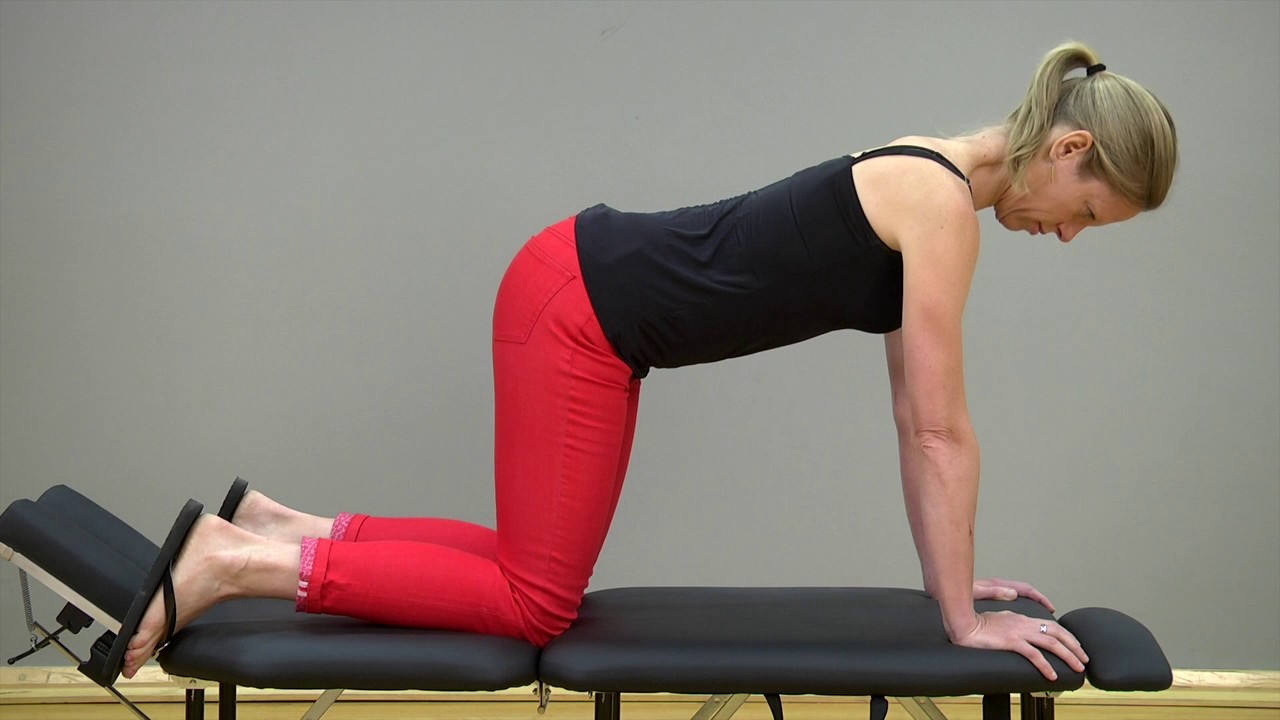
Exercices multiples de mobilité du cou
Posture, étirements du cou et des épaules

Correction posturale

Étirement des extenseurs du cou

Étirements en flexion latérale et rotation du cou (SCM)

Étirement pectoral

Étirement des rhomboïdes

Étirement des trapèzes

Étirement du triceps
Contrôle et renforcement des muscles du cou
Pour les douleurs cervicales d'apparition récente, nous suggérons des exercices progressifs supervisés.
- Le renforcement isométrique en extension avec un élastique n'est PAS recommandé pour les douleurs cervicales d'apparition récente..
- Le renforcement isométrique en flexion avec un élastique n'est PAS recommandé en cas de douleurs cervicales d'apparition récente.

Contrôle des moteurs du cou

Renforcement de la rétraction du cou (en position assise)

Renforcement de la rétraction du cou (en décubitus dorsal)

Renforcement isométrique en flexion (debout)

Renforcement isométrique en extension (debout)

Rétraction par flexion en décubitus dorsal

Extension du cou en décubitus dorsal

Rétraction rotation en décubitus dorsal

Renforcement isométrique en extension avec élastique (position assise)

Renforcement isométrique de la flexion avec élastique (position assise)

Renforcement des extenseurs du cou

Exercices supplémentaires de renforcement du cou
Contrôle moteur des omoplates, renforcement et renforcement des épaules

Exercices multiples de contrôle moteur scapulaire

Rétraction de l'omoplate (assise)

Rétraction scapulaire avec poids (position inclinée)
Exercices de renforcement des épaules*
L'avis du clinicien et de l'utilisateur est recommandé. Ces exercices sont recommandés dans le cadre de la prise en charge globale du patient. Les patients devraient consulter leur clinicien en cas d'aggravation des symptômes.
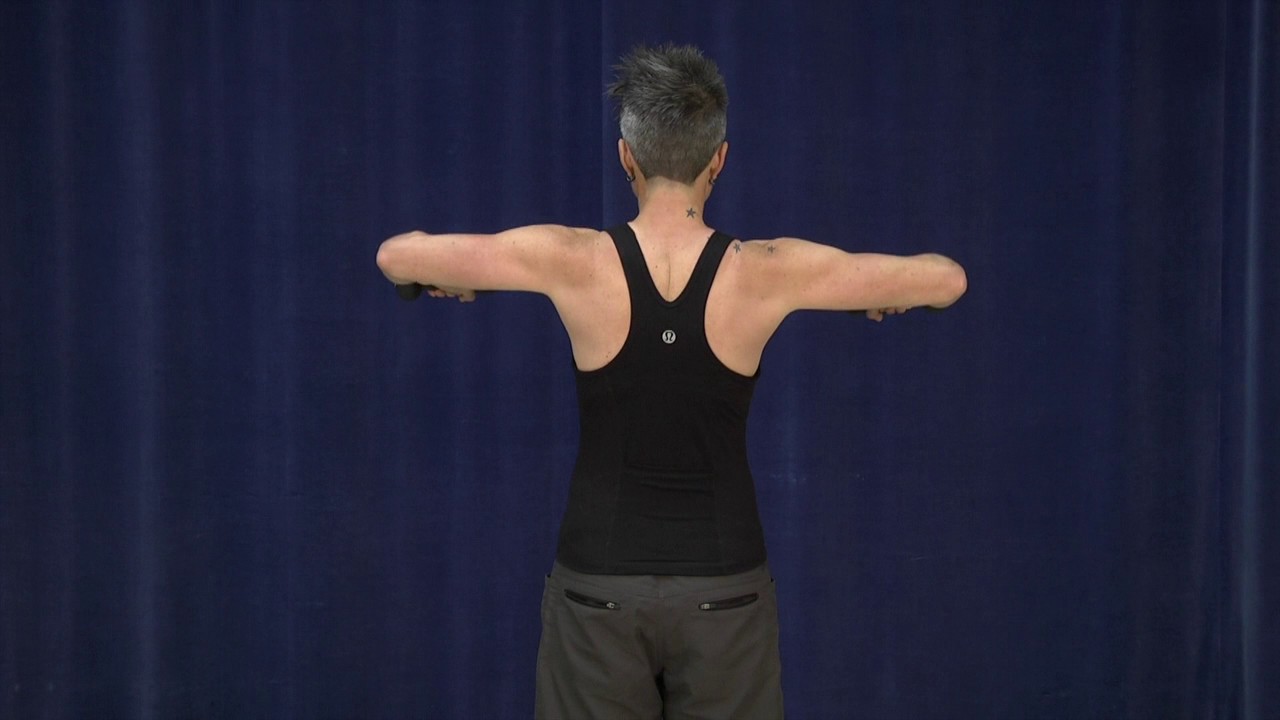
Abduction de l'épaule (position debout)*

Renforcement des biceps (debout)*

Élévation alternative des épaules (position assise)*
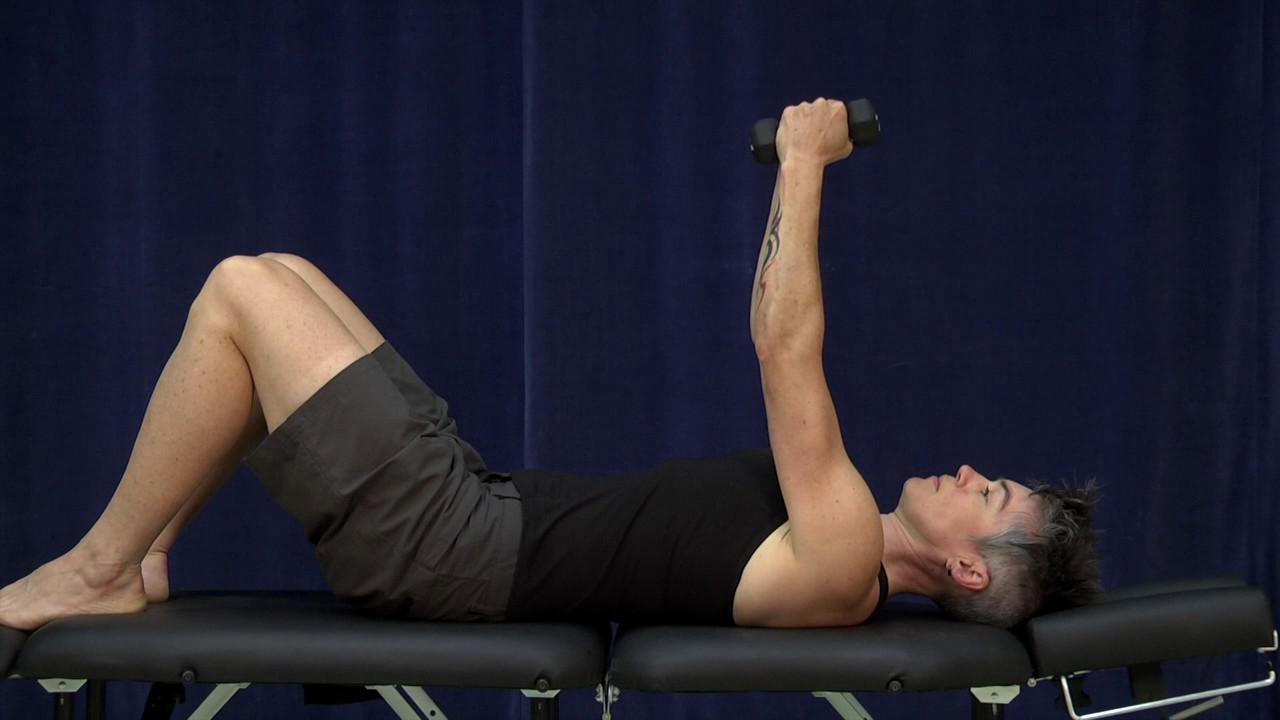
Renforcement des pectoraux (en décubitus dorsal)*

Flexion de l'épaule (en décubitus dorsal)*
Références
- American College of Radiology. ACR Appropriateness Criteria: Cervical Pain or Cervical Radiculopathy—2024 Update. Published 2025.
- Blanpied PR, Gross AR, Elliott JM, et al. Neck pain: revision 2017 clinical practice guidelines linked to the International Classification of Functioning, Disability and Health. J Orthop Sports Phys Ther. 2017;47(7):A1-A83.
- Bussières AE, Stewart G, Al-Zoubi F, et al. The treatment of neck pain-associated disorders and whiplash-associated disorders: a clinical practice guideline. J Manipulative Physiol Ther. 2016;39(8):523-564.
- Centre for Effective Practice. CORE Neck Tool and Headache Navigator. July 2016. Practitioner tool supporting history, physical examination, management and referral decisions for neck pain and headache.
- Côté P, Wong JJ, Sutton D, et al. Management of neck pain and associated disorders: a clinical practice guideline from the Ontario Protocol for Traffic Injury Management (OPTIMa) Collaboration. Eur Spine J. 2016;25(7):2000-2022.
- El-Allawy A, Hänsel J, Bothe T, et al. Clinical practice guideline: nonspecific neck pain. Dtsch Arztebl Int. 2025;122(20):552-557.
- GBD 2021 Neck Pain Collaborators. Global, regional, and national burden of neck pain, 1990-2020, and projections to 2050: a systematic analysis of the Global Burden of Disease Study 2021. Lancet Rheumatol. 2024;6(3):e142-e155.
- Guzman J, Hurwitz EL, Carroll LJ, et al. A new conceptual model of neck pain: linking onset, course, and care. The Bone and Joint Decade 2000-2010 Task Force on Neck Pain and Its Associated Disorders. Spine. 2008;33(4 Suppl):S14-S23.
- Hilton B, Gardner EL, Jiang Z, et al. Establishing diagnostic criteria for degenerative cervical myelopathy [AO Spine RECODE-DCM Research Priority Number 3]. Global Spine J. 2022;12(1 Suppl):55S-63S.
- Jiang Z, Davies B, Zipser C, et al. The value of clinical signs in the diagnosis of degenerative cervical myelopathy: a systematic review and meta-analysis. Global Spine J. 2024;14(4):1369-1394.
- Institut national pour l'excellence en santé et en soins. Spondyloarthritis in over 16s: diagnosis and management. NICE guideline NG65. Published 2017; last reviewed 2025.
- Institut national pour l'excellence en santé et en soins. Spinal metastases and metastatic spinal cord compression. NICE guideline NG234. Published 2023; last reviewed 2026.
- Núñez de Arenas-Arroyo S, Mavridis D, Martínez-Vizcaíno V, et al. What components and formats of rehabilitation interventions are more effective to reduce pain in patients with cervical radiculopathy? A systematic review and component network meta-analysis. Clin Rehabil. 2025;39(10):1296-1310.
- Plener J, Csiernik B, To D, et al. Conservative management of cervical radiculopathy: a systematic review. Clin J Pain. 2023;39(3):138-146.
- Public Health Agency of Canada. Health equity and determinants of health. Government of Canada; 2026a. Accessed July 2026.
- Public Health Agency of Canada. Invasive meningococcal disease: For health professionals. Government of Canada; 2026b. Updated June 11, 2026.
- Public Health Agency of Canada. Stroke. Government of Canada; 2026c. Updated February 12, 2026.
- Public Health Agency of Canada. Trauma and violence-informed approaches to policy and practice. Government of Canada; 2018.
- Reynolds B, McDevitt A, Kelly J, et al. Manual physical therapy for neck disorders: an umbrella review. J Man Manip Ther. 2025;33(1):18-35.
- Rushton A, Carlesso LC, Flynn T, et al. International Framework for Examination of the Cervical Region for potential of vascular pathologies of the neck prior to orthopaedic manual therapy intervention: International IFOMPT Cervical Framework. J Orthop Sports Phys Ther. 2023;53(1):7-22.
- Spitzer WO, Skovron ML, Salmi LR, et al. Scientific monograph of the Quebec Task Force on Whiplash-Associated Disorders: redefining ‘whiplash’ and its management. Spine. 1995;20(8 Suppl):1S-73S.
- Stiell IG, Wells GA, Vandemheen KL, et al. The Canadian C-spine rule for radiography in alert and stable trauma patients. JAMA. 2001;286(15):1841-1848.
- World Health Organization. WHOQOL: Measuring quality of life. WHO; accessed July 2026.
- Yu CWG, Wongwitwichote K, Mansfield M, Deane JA, Devecchi V, Falla D. Physical and psychological predictors for persistent and recurrent non-specific neck pain: a systematic review. Eur J Pain. 2025;29(10):e70168.
Disclosure: AI tools assisted with drafting, editing, and reference organization. They did not approve the pathway or replace clinical judgment. CCG reviewers verified all content.