
À propos des douleurs lombaires (LBP)
Low back pain (LBP) is pain between the lower costal margin and the gluteal folds, with or without referred or radicular symptoms in one or both legs. Presentations may be back-dominant, referred or radicular.
For many adults, routine clinical assessment does not identify one specific source of symptoms; this is commonly described as non-specific or primary LBP. The term non-specific is a working classification: it does not mean symptoms are unreal, establish a single mechanism, or remove the need to reconsider other causes if the features or response change. Symptoms and functioning often improve, but recurrence and persistent pain or limitation can occur (Oliveira et al. 2026a; Wallwork et al. 2024).
Scope: this pathway supports conservative assessment and care for adults with non-specific LBP and common referred or radicular leg presentations after appropriate safety screening. It does not address management of suspected serious pathology; surgical or interventional procedures; LBP during pregnancy or the postpartum period; or people under 18. Use relevant guidance and referral or co-management when the presentation falls outside this scope.
À propos des parcours de soins du CCG
Objectif
CCG is a knowledge translation resource of the Canadian Chiropractic Association. Its care pathways help chiropractors and other clinicians organize conservative care for musculoskeletal conditions. Each pathway outlines the main steps of the clinical encounter and supports decisions about assessment, care, monitoring, referral, co-management, and discharge. The pathways provide a structured approach to care, not a fixed prescription.
Développement
Pathways draw on relevant clinical practice guidelines, systematic reviews, peer-reviewed literature, and safety or professional sources. These sources inform, but do not determine, pathway content. Their findings reflect the questions, populations, outcomes, methods, and judgments used and may not apply to every person. Condition-specific sources are identified by author or organization and year, with full citations in one reference list at the end of the pathway.
Principles of Care
Musculoskeletal conditions are shaped by physical, psychological, social, cultural, and environmental factors, so no single approach fits everyone. Good care is ethical, evidence-informed, person-centred, culturally responsive, and tailored to the patient’s goals, preferences, circumstances, and response. Shared decision-making and informed consent guide care. Education, active rehabilitation, and self-management support recovery, functioning, participation, and long-term health. Regular reassessment shows whether the plan is helping and when to continue, adapt, stop, refer, co-manage, or discharge.populations.
Pathway Flow at a Glance
The pathway follows a recurring clinical cycle: understand the person and their goals; screen for safety and referral needs; develop a working clinical profile; agree on a plan and relevant outcomes; provide care; reassess response and safety; and continue, adapt, stop, refer, co-manage, or discharge as appropriate.
Avis de non-responsabilité
CCG care pathways support professional clinical judgment; they do not replace it or the advice of a qualified provider. They are not prescriptive, authoritative, or regulatory and are not intended for diagnosis or billing. Clinicians remain responsible for practicing within their competence and scope, meeting applicable legal and regulatory requirements, obtaining informed consent, recognizing emergencies, and arranging referral or co-management when needed.
Parcours de soins pour les douleurs lombaires
1. Tenue des registres
Accurate, timely, and sufficiently detailed documentation supports safe, high-quality care. The record should reflect clinically relevant patient interactions, clinical reasoning, decisions, care provided, and progress over time. Documentation should meet the legal, regulatory, privacy, retention, and organizational requirements that apply where the clinician practices. A structured format, such as SOAP, may support consistency, clarity, and continuity and can be adapted to the encounter and practice setting.
Subjectif : Record the patient’s concerns, symptoms, functioning and participation, goals, preferences, relevant history and context, and response or adverse effects from previous care.
Objectif: Record relevant examination findings, outcome measures, diagnostic test results when available, and clinically important changes.
Évaluation: Record the clinical interpretation of findings, working diagnosis or clinical profile, differential and safety considerations, relevant risk factors or modifiers, and the patient’s progress or response.
Planifier: Record care provided or proposed, education and self-management, consent and patient decisions, changes to the plan, agreed outcomes and reassessment point, referrals or co-management, follow-up, and discharge planning.
Document at the time of the encounter or as soon as practicable. Corrections and additions should preserve the integrity of the record. Clear records support patient safety, shared decision-making, communication, continuity, and accountability.
2. Consentement éclairé
- Définition: A continuing process in which a capable patient, or an authorized substitute decision-maker when required, voluntarily agrees to a proposed examination or intervention after receiving and understanding the information needed to make an informed choice.
- Aspects clés :
- Avant l'interaction : Obtain consent before beginning an examination, procedure, or treatment, except where applicable law permits otherwise. Explain what is proposed and why. Revisit consent when the plan or material information changes.
- Volontairement et spécifiquement : must be voluntary and specific to the proposed care. Consider the patient’s capacity for the decision at the time it is required and follow applicable requirements for substitute decision-making when the patient lacks capacity. The patient may ask questions, refuse, place limits on, or withdraw consent.
- Processus transparent : Use honest, plain, and accessible communication. Offer interpretation or other communication support when needed and consider language, culture, health literacy, disability, and prior trauma. Written or digital information may support but does not replace discussion.
- Compréhension et entente du patient :
- Diagnostic/pronostic : Explain relevant findings, the clinical impression or working diagnosis, important uncertainty, and the expected course in understandable language.
- Plan de traitement : Discuss the nature and purpose of proposed care, expected benefits, material risks and side effects, burdens, reasonable alternatives, the option of no intervention, and the likely consequences of accepting or declining.
- Questions : Invite questions, explore goals and preferences, allow appropriate time for a decision, and confirm understanding, for example using teach-back.
- Documentation : Record the consent discussion and decision, including material information provided, questions, capacity or substitute decision-maker where relevant, consent, refusal, limits or withdrawal, and any need to revisit consent. Follow documentation requirements applicable to the jurisdiction and practice setting.
3. Historique médical
- Use culturally safe, trauma- and violence-informed care. Explain why questions matter, seek permission before sensitive topics, and adapt communication to the patient’s language, identity, culture, disability and previous health care experiences. Ask how cultural, family, community, Indigenous or other healing practices should be included (Public Health Agency of Canada 2018; Government of Canada 2023).
- Patient and contextual information: age; sex and gender when clinically relevant; preferred language and communication needs; work or school; caregiving; and the activities, roles and cultural or community connections important to the patient.
Primary low back concern:
- Location, onset and possible mechanism; duration and course; first episode or recurrence; and whether symptoms are improving, stable, fluctuating or worsening.
- Back-dominant or leg-dominant symptoms; distribution of leg symptoms; and numbness, paresthesia, weakness, gait change or other neurologic symptoms.
- Aggravating and easing factors; pattern over the day and night; response to movement, positions and activity; and any directional preference.
- Effects on sleep, mobility, self-care, work or school, caregiving, recreation and other valued activities.
- Revue des systèmes corporels : constitutional/general, neurologic, cardiovascular and vascular, genitourinary, gastrointestinal, musculoskeletal and bone health, respiratory, skin, mental health and reproductive systems; pursue findings indicated by the presentation.
- Health and care history: relevant medical conditions; prior LBP episodes, injuries, surgery or hospitalization; pregnancy or postpartum status when relevant to examination, imaging or care decisions; medicines and supplements, including corticosteroids, anticoagulants and opioids; allergies; prior imaging or tests; and prior care, benefits and adverse effects.
- Lifestyle and recovery context: physical activity, sleep, nutrition, smoking, alcohol or substance use and other factors the patient identifies as relevant.
- Social and access context: consider relevant social and structural determinants of health, including work or school demands and supports, caregiving, finances or compensation, housing, transportation, safety at home or in relationships, discrimination, social support, access to care and culturally relevant or community supports. Ask only what is relevant and safe to discuss, and use the information to adapt care or connect the patient with support when possible (Public Health Agency of Canada 2026).
- Croyances, attentes et objectifs : the patient’s understanding and concerns, recovery expectations, confidence, previous experiences of care, preferences, cultural approaches, and what meaningful improvement would look like.
- Flag review: check Red Flags and refer to the separate fixed Orange Flags and Yellow Flags modules when relevant. Reassess relevant features if the presentation changes.
Outcome measures
- Use measures that are meaningful to the patient and practical to repeat. Record a baseline and reassess often enough to guide decisions.
- Patient-specific functioning: Patient-Specific Functional Scale (PSFS)
- Disability and participation: WHO Disability Assessment Schedule 2.0 (WHODAS 2.0).
- Disability and participation: WHO Disability Assessment Schedule 2.0 (WHODAS 2.0).
- Additional measures: pain impact or interference and intensity when useful; work, school, caregiving or other role participation; and sleep, mood or other concerns when relevant to care.
- Objectifs individuels : agree on patient-defined goals and how progress will be recognized. SMART wording may be used.
4. Red Flags: Possible Serious Conditions and Other Causes of Low Back Pain
Red flags are prompts for clinical reasoning, not diagnoses on their own. Interpret the whole presentation, new change and combination of findings, and use clinical judgement. Tell the patient which new or worsening symptoms require urgent care and reassess if symptoms or functioning change (Oliveira et al. 2026b; GIRFT 2026).
ACTION: Arrange emergency assessment immediately:
- Syndrome de la queue de cheval : new, recent or worsening difficulty initiating urination, altered urinary flow sensation, retention or overflow; altered saddle, perineal or genital sensation; loss of rectal fullness or new bowel control change; new sexual dysfunction; or severe or progressive bilateral leg neurologic deficit. CES can occur without a complete pattern, and negative physical tests do not rule it out. Use the local emergency pathway and do not delay referral to complete testing in the clinic. Record onset and progression, relevant neurologic findings, referral timing and advice. A digital rectal examination is not required to decide referral (GIRFT 2026).
- Rapidly worsening neurologic signs: a new severe or progressive motor deficit, widespread upper motor neuron findings, acute ascending weakness with areflexia, or another rapidly evolving neurologic presentation.
- Spinal infection, epidural abscess or hematoma with instability: acute or progressive spinal pain with systemic illness, sepsis, rapidly evolving neurologic findings, recent spinal procedure, immunosuppression, bacteremia risk or clinically important bleeding risk. Fever may be absent.
- Major trauma or suspected unstable fracture: major trauma, deformity, inability to mobilize, marked focal bony pain, or trauma accompanied by neurologic or circulatory compromise.
- Aortic or other abdominal, pelvic or kidney emergency: sudden severe back, abdominal or flank pain with fainting, low blood pressure, shock, an expanding or pulsatile mass, or another presentation suggesting an acute abdominal, pelvic or kidney condition. A mass may not be palpable.
ACTION: Arrange prompt medical assessment:
- Spinal infection without current instability: new severe or worsening focal pain with fever or chills, recent infection or surgery, immunosuppression, injection drug use, indwelling devices or another risk of infection in the bloodstream.
- Malignancy or spinal metastasis: past or current cancer, worsening or unremitting pain, night pain not eased by position, unexplained weight loss or general decline, focal tenderness, or new neurologic findings. A history of cancer together with a new neurologic change requires urgent assessment (NICE 2023).
- Fragility fracture: new focal pain after minor trauma or without clear trauma in the context of osteoporosis, prolonged systemic corticosteroid exposure, older age, previous fragility fracture or another major bone health risk.
- Non-spinal medical condition: abdominal, pelvic, genitourinary, gastrointestinal or vascular symptoms and findings that do not fit a lumbar presentation or require medical investigation.
ACTION: Arrange planned referral or shared care when:
- Inflammatory spondyloarthritis or another inflammatory condition is suspected: younger onset with persistent back pain, night waking, buttock pain, improvement with movement, psoriasis, inflammatory bowel disease, uveitis, enthesitis, dactylitis, recent genitourinary or gastrointestinal infection, or relevant family history. No single feature or normal test excludes it (NICE 2017).
- Presentation outside this pathway’s scope: pregnancy or postpartum-related low back pain, a patient under 18, or another presentation requiring condition-specific assessment or care beyond this pathway.
- Safety-net advice: seek earlier reassessment for new or worsening leg symptoms, weakness, numbness, gait change, fever, unexplained weight loss, night or rest pain, trauma, abdominal or flank pain, or general decline. Seek emergency care for new bladder or bowel change, saddle sensory change, new sexual dysfunction, rapidly progressive neurological loss, severe trauma, fainting or severe systemic illness described above. Document findings, action, advice and follow-through.
5. Signaux d'alerte (drapeaux orange) : Symptômes de troubles psychiatriques nécessitant une orientation vers un spécialiste
Orange Flags are signs that a mental health or substance use concern may require emergency or timely assessment or shared care, and may change whether and how MSK care proceeds. They are not diagnoses. Ask directly and respectfully when concern arises, considering immediate safety, severity, change from usual, daily functioning and context. Psychosocial factors that may affect recovery but do not require separate mental health or medical assessment are addressed under Yellow Flags.
ACTION: Arrange emergency assessment now when there is immediate danger or an urgent medical need:
- Suicide, self-harm or harm to others: current intent or plan, a recent attempt, inability to stay safe, or behaviour suggesting an immediate risk of serious harm.
- Severe change in mental state: extreme agitation, confusion, disorganization, possible psychosis or mania with impaired judgment or unsafe behaviour, or inability to meet basic needs when this creates immediate danger.
- Substance-related or medical emergency: suspected overdose, severe intoxication, dangerous withdrawal, delirium or another sudden change requiring urgent medical care.
When immediate safety is uncertain, do not leave the person alone while help is arranged. Follow local emergency procedures and call 9-1-1 for immediate danger or urgent medical need. If the person is thinking about suicide, call or text 9-8-8: Suicide Crisis Helpline with them or support them to do so.
If violence, abuse or exploitation is disclosed or suspected, support immediate safety and follow applicable safety and reporting requirements.
ACTION: Arrange prompt medical or mental health assessment when there is:
- Suicide or self-harm thoughts: thoughts without immediate danger.
- Substantial symptoms or effects: severe, persistent or worsening symptoms of depression, anxiety, trauma, possible psychosis or mania, eating problems or substance use that substantially affect daily life, decision-making or safe participation in care.
- Other reasons for assessment: a marked change from usual behaviour or functioning; concern about medication or substance effects; a presentation outside the clinician’s competence; or a request for help.
Agree with the patient on who will be contacted, how soon and what to do if the situation worsens. Confirm that the person has connected with the service when clinically important.
ACTION: Adapt and coordinate MSK care:
- Safe care: care may continue when it is safe and acceptable and does not delay needed assessment. Adapt communication, examination and care; obtain ongoing consent; and coordinate with other providers with the patient’s permission.
- Continue the MSK assessment: do not assume that a mental health or substance use concern explains the MSK presentation. Continue to consider physical causes and the patient’s account.
- Questionnaires: they may support conversation and monitoring, but do not establish a diagnosis or replace direct questions, clinical judgment or action.
- Acceptable support: ask what type of help is acceptable and whether language, cultural, family, community or other supports are important to the patient.
ACTION: Document and follow up:
Record the concern; relevant questions and the patient’s responses; the safety decision and reasons; actions, advice and referrals; communication and consent; follow-up; and any unresolved concern. Follow applicable privacy, safety and reporting requirements.
For provincial, territorial and national services, see Mental health support: Get help (Public Health Agency of Canada 2026).
6. Yellow Flags: Factors that May Affect Recovery or Participation
Yellow Flags are personal, social, work, school, healthcare, environmental or structural factors that may influence symptoms, functioning, participation or response to care. They are contextual, not diagnoses or certain predictions, and do not mean that symptoms are psychological. They guide how care is tailored and do not by themselves require urgent referral. Explore them through conversation and ongoing outcome review, with attention to the patient’s priorities, strengths and circumstances. A separate Yellow Flag score is not required. New or worsening signs of serious physical illness follow the Red Flag process. Mental health or substance use concerns that need separate assessment, or any immediate safety concern, follow the Orange Flag process and applicable emergency or safeguarding procedures.
Explore relevant factors:
- Understanding, expectations and healthcare experiences: concerns about injury or damage, uncertainty, recovery expectations, confidence, conflicting advice, previous dismissal or harm, and trust in care.
- Responses to symptoms and activity: worry, fear, avoidance, cycles of doing too much and then needing prolonged rest, difficulty pacing, coping, sleep, confidence in self-management, and return to meaningful activities.
- Emotional and life context: distress, low mood, anxiety, grief, trauma, caregiving, relationship change, job loss or other major events. Ask permission before sensitive questions and limit discussion to what is relevant and acceptable to the patient.
- Relationships, culture and strengths: supportive relationships, isolation, family and community roles, cultural or spiritual practices, identity, preferences, language and other sources of resilience.
- Work, school and administrative context: physical and psychosocial demands, control, satisfaction, job security, accommodations, return concerns, and compensation, insurance or legal processes. Explore these neutrally and in context.
- Social and structural conditions: consider social and structural determinants of health (Public Health Agency of Canada 2026), including income, housing, food security, transportation, childcare, access and cost of care, discrimination, racism, colonialism, neighbourhood and workplace conditions, and physical or digital accessibility.
ACTION: Respond with the patient:
- Ask, do not assume: use open questions to understand what helps, what gets in the way, what matters and what feels feasible. Ask about strengths and protective factors, not only difficulties. Do not treat a person’s circumstances, culture or choices as a deficit.
- Plan together: integrate relevant findings into shared goals, education, self-management, physical activity or exercise, and participation in meaningful activities. Adapt communication, setting, pace, cost and access where possible.
- Connect and coordinate: with the patient’s consent, consider appropriate clinical, social, workplace, school, community, Indigenous or culturally specific supports. Clarify who will do what and follow up when the connection is important to the plan.
- Review response to care: reassess the patient’s account and the pathway’s selected outcomes at clinically relevant points. If progress differs from expected, review the clinical impression, care plan, access and other barriers; do not automatically attribute the outcome to Yellow Flags.
- Document: record relevant factors and strengths, the patient’s priorities and preferences, agreed actions, consent, referrals or coordination, follow-up, and any change requiring the Orange Flag process.
7. Examen physique
Select examination elements that answer a clinical question and may change care. Prioritize safety, comfort, dignity and relevance to functioning; adapt the pace, positioning, draping and extent of examination to the presentation and the patient’s preferences.
- Ongoing consent: explain each step, ask permission before touch or exposure, offer choices and stop or modify the examination when requested.
- Observation et évaluation générale : gait, movement behaviour, guarding, antalgia, transfers, use of supports and general appearance; measure vital signs when systemic, vascular or other non-musculoskeletal concern makes them relevant.
- Movement and range of motion: active lumbar movement and repeated or sustained movements when useful, noting tolerance, quality, symptom reproduction, centralization or peripheralization and any directional response. Passive or resisted tests are added only when they may inform the differential or plan.
- Examen neurologique: when leg symptoms, weakness, sensory change, gait change or safety concerns are present, assess motor function by myotome, sensation by dermatome, reflexes and gait; compare sides and document deficits and change over time. Look beyond a single nerve root when findings suggest an upper motor neuron, peripheral nerve or systemic pattern.
- Nerve-root provocation: straight leg raise, crossed straight leg raise, femoral nerve stretch or slump testing may support a radicular profile when interpreted with symptoms and neurologic findings; no test is diagnostic by itself.
- Évaluation fonctionnelle : select tasks tied to patient goals, such as sit-to-stand, walking or standing tolerance, lifting, bending, stairs, work simulation or caregiving activities.
- Regional and differential examination: assess the hip, pelvis, sacroiliac region, peripheral nerves, abdomen, vascular system or other regions when the history indicates and within competence and scope.
- Palpation : may help identify focal tenderness, temperature change, swelling or symptom reproduction, but should not be presented as establishing a specific source of pain when the examination cannot do so.
- Imagerie : imaging is generally not needed as a routine part of the examination. Arrange referral when serious pathology is suspected or when the result is likely to change care. Explain the reasoning whether imaging is or is not pursued (Canadian Association of Radiologists 2026; NICE 2020; Oliveira et al. 2026a).
- Radicular pain or radiculopathy imaging: routine imaging is not needed when findings are stable and no Red Flag is present. Arrange referral for imaging when neurological deficits are progressive, another Red Flag is present, or persistent symptoms and findings make specialist, procedural or surgical planning likely and the result would change care (American College of Radiology 2021; NICE 2020).
- Reassessment: repeat the findings and functional tasks needed to track recovery, review the clinical impression, identify adverse effects or detect a change requiring referral.
8. Présentations cliniques
Use these presentations as working clinical descriptions rather than definitive tissue diagnoses. They can overlap or change, and a non-specific label does not exclude a coexisting neurologic, inflammatory, visceral or other condition (Oliveira et al. 2026a; Oliveira et al. 2026b).
- Non-specific or primary LBP: back-dominant pain and limitation without evidence of a specific pathology requiring different management. Symptoms may be movement- or position-related. Descriptive terms such as myofascial, facet-related or sacroiliac-related may communicate findings, but should not imply a confirmed pain source when the examination cannot establish one.
- Referred leg pain: buttock or leg symptoms that do not follow a clear nerve-root distribution and occur without objective nerve-root deficit. Hip, deep gluteal and other regional sources may overlap.
- Radicular pain and radiculopathy: radicular pain is suspected to arise from a lumbar nerve root and may follow a dermatomal distribution; radiculopathy refers to objective motor, sensory or reflex impairment and may occur with or without prominent pain. Base the working clinical impression on the history, neurological examination and provocation tests together. Record symptom duration, irritability, functional effect and whether neurological findings are stable or progressive. Progressive motor loss changes the urgency of referral.
- Neurogenic claudication: leg-dominant pain, heaviness, numbness or weakness brought on by standing or walking and eased by sitting or spinal flexion, commonly associated with lumbar spinal stenosis. The differential includes vascular claudication and peripheral neuropathy.
- Persistent or recurrent LBP: not a separate pain source. Revisit the differential and review the interaction of symptoms, functioning, sleep, mood, beliefs, work and caregiving demands, social conditions, comorbidities, access to care and prior treatment response.
- Alternative or overlapping presentation: findings may point to hip or pelvic conditions, peripheral neuropathy, vascular disease, abdominal or kidney disease, inflammatory spondyloarthritis, multisite pain or another non-spinal source. Refer or co-manage when assessment or care is needed beyond the clinician’s role.
9. Considérations relatives au traitement
Base care on the presentation, safety, symptom duration, irritability, neurological status, goals, context and response. Use adaptable options rather than a ranked sequence, and repeat meaningful outcomes to guide change.
Education, self-management and participation
- Education and communication: validate the person’s experience; explain the working clinical presentation, neurological findings when present, uncertainty and prognosis in plain language; address misinformation without blame; and build confidence in movement and recovery without promising a particular outcome (Oliveira et al. 2026a; WHO 2023; Apeldoorn et al. 2024; NICE 2020).
- Self-management and participation: options reflect what the patient can realistically use between visits and may include pacing, task modification, accommodations and strategies for continuing work, school, caregiving, recreation and community roles (Oliveira et al. 2026a; WHO 2023; Apeldoorn et al. 2024).
Physical activity and exercise
- Activity modification and graded loading: temporary changes in task, position, volume or load are options for maintaining activity during symptom flares. Progression toward meaningful activity reflects tolerance, symptom response and neurological status when relevant (Oliveira et al. 2026a; WHO 2023; Apeldoorn et al. 2024; NICE 2020).
- Non-specific or primary LBP: exercise options include aerobic, strengthening, mobility, motor-control, mindful-movement, aquatic, walking or other forms. Type, amount and progression reflect the goals, preferences, capacity, access and response (Oliveira et al. 2026a; WHO 2023; George et al. 2021).
- Referred leg pain: select activity and exercise according to the working source and symptom response. Reassess hip, peripheral nerve or other regional sources when findings do not behave as expected.
- Radicular pain or radiculopathy: options include individualized trunk strengthening and endurance, movement-control or specific trunk-activation exercise, and gradual return to activity. Type and progression reflect symptom irritability and neurological response (Apeldoorn et al. 2024; George et al. 2021; Stochkendahl et al. 2018).
- Neurogenic claudication: follow the CCG Lumbar Spinal Stenosis Care Pathway for presentation-specific treatment and monitoring.
Hands-on and symptom-relieving care
- Non-specific or primary LBP and referred leg pain without radiculopathy: options include spinal manipulation, mobilization, massage or related soft-tissue techniques as adjuncts to active care and self-management (Bussières et al. 2018; Oliveira et al. 2026a).
- Radicular pain or radiculopathy: selected spinal manipulation, mobilization or soft-tissue techniques can form part of multimodal care when neurological findings are stable. Integrate them with active care and monitor symptom and neurological response (Apeldoorn et al. 2024; Bussières et al. 2018; NICE 2020; Stochkendahl et al. 2018).
- Culturally grounded and community-based care: traditional or Indigenous healing approaches, spiritual practices and community supports identified by the patient can form part of care when compatible with safety, scope and other care. The choice reflects goals, culture, access and observed response.
Psychological, social and interdisciplinary support
- Psychologically informed care: for chronic primary low back pain, supportive communication and behavioural strategies can form part of care when fear, distress, mood, trauma or coping affects recovery. Care beyond the clinician’s competence is coordinated with an appropriate mental health professional (WHO 2023).
- Interdisciplinary and social support: for chronic primary low back pain, coordinated physical, psychological, occupational, medical or social care can help when complex comorbidity, substantial participation restrictions or access barriers cannot be addressed by one clinician (WHO 2023).
Médicament
- Medication decisions: review current use, intended benefit, contraindications, interactions and adverse effects. Medication initiation, change or review is coordinated with an authorized prescriber or pharmacist using current guidance (NICE 2020; Oliveira et al. 2026a; WHO 2023).
Monitoring and reassessment
- Agree on a reassessment point based on the presentation, safety, goals, care being tried, patient needs and access rather than a fixed visit schedule.
- Review the baseline outcome set, symptoms, functioning, participation, benefits, harms and goals. Continue, adapt or stop care according to response. Revisit the clinical presentation and referral needs when progress differs from expectations.
- Neurological monitoring: repeat motor, sensory, reflex and gait findings when radiculopathy is present or radicular symptoms change. Progressive weakness, worsening sensory loss, functional decline, new bilateral findings or cauda equina features follow the Red Flags and referral actions.
10. Prognosis and Prognostic Factors
- Expected course: prognosis is individual. In non-specific LBP, improvement often occurs most during the first six weeks, while persistent symptoms usually change more slowly and vary widely. Research on groups cannot predict a particular person’s course, and recurrence or residual symptoms are common (Wallwork et al. 2024).
- Factors associated with a less favourable course: in non-specific LBP, higher pain and disability at baseline, emotional distress, negative recovery expectations, high physical demands at work and pain catastrophizing may be linked to a less favourable course. Other health, social and occupational factors may matter for an individual (Otero-Ketterer et al. 2022).
- Radicular pain or radiculopathy: prognosis depends on the cause, symptom severity and neurological course. For disc-herniation-related radicular pain managed conservatively, severe baseline symptoms may be associated with a less favourable outcome, but prognostic evidence is limited (De Bruyn et al. 2025).
- Potential supports for recovery: positive but realistic expectations, self-efficacy, active coping, supportive relationships and workplaces, feasible accommodations, access to care and progress toward meaningful activity may support recovery. These are modifiable care considerations, not guarantees or reasons to blame the patient.
- Discussing prognosis: describe uncertainty, ask what the patient wants to know, and use repeated outcomes that matter to the patient and the course over time to adjust the plan rather than treating a prognostic factor or screening score as a fixed prediction.
11. Suivi continu
Ongoing follow-up is a shared review of whether the plan remains safe, useful, acceptable and aligned with the patient’s goals. The timing of review should reflect symptoms, risk, the care being tried, goals and access rather than a fixed visit schedule.
- Review symptoms and safety: ask what has changed in symptoms, functioning and daily activities; review adverse effects; and check for new or worsening Red Flags and relevant Orange or Yellow Flag concerns. Arrange earlier or urgent assessment when the findings require it.
- Review outcomes: repeat the small set chosen at baseline and use the same measures when possible. These may include the Patient-Specific Functional Scale, WHODAS 2.0, quality of life using the patient’s own rating or a measure such as WHOQOL-BREF, symptom impact, participation and the patient’s own assessment of change. Interpret measures with the patient and alongside what has changed in daily life rather than relying on a score alone.
- Review goals, preferences and consent: ask whether care remains acceptable, feasible and worthwhile; revisit goals and priorities; and confirm consent when the plan or circumstances change.
- Adapt care: continue what is useful and acceptable, and change, pause or stop what is not. If progress is not sufficient from the patient’s perspective, review the clinical impression, the fit and amount of care, barriers to participation, other health or social factors and whether other expertise is needed.
- Support self-management and participation: review the strategies the patient is using, including physical activity or exercise, symptom management, pacing and participation in work, school, caregiving, recreation or community life. Ask what is helping and which barriers can be addressed.
- Orientation et cogestion : arrange emergency assessment for Red Flags requiring urgent care. Consider referral or co-management when findings or needs are beyond the clinician’s role, the patient’s condition is worsening, progress remains insufficient after the plan has been reviewed, or the patient requests another opinion.
- Plan the next step: agree whether to continue, change the interval between visits, move toward more self-directed care, or apply the Criteria for Discharge section.
12. Critères de sortie
Discharge is a shared decision about ending or transferring a course of care. It does not require complete symptom resolution, a normal outcome score or a fixed number of visits.
- When discharge may be appropriate: consider discharge when the patient’s goals have been met to a degree they consider satisfactory; the patient feels able to manage with less or no clinician involvement; the patient chooses to end care; continued care is not providing enough benefit to justify its burden, cost or time; or care is being transferred to another provider.
- Reassess before discharge: review symptoms, functioning, participation, selected outcomes, goals, adverse effects, confidence and preferences. Check for new or worsening Red Flags and any Orange or Yellow Flag concerns that still require action. If the condition is worsening or a safety concern remains, arrange the required assessment or referral rather than routine discharge.
- When progress has slowed: review the clinical impression, response to care, goals, barriers and access, other health or social factors, and other reasonable options before deciding with the patient whether to continue, change or end care.
- Plan after discharge: agree on self-management, physical activity or exercise, symptom management, pacing and participation in work, school, caregiving, recreation or community life. Explain which changes should prompt earlier or urgent assessment and when and where to seek care.
- Future access to care: explain how the patient can return if symptoms recur, functioning declines, or goals or demands change. Any planned future review or supportive care should have an agreed purpose, expected benefit and review point.
- Referral or transfer: explain the reason, share a relevant summary with the patient’s consent, and clarify who will address outstanding concerns when possible. Avoid an unintended gap in care when safety or ongoing needs remain.
- If the patient ends care or does not return: respect the patient’s right to stop. Record what is known and unknown about the outcome, advice or referral offered, attempts to communicate when clinically warranted, and any unresolved safety concern. Follow applicable record keeping and communication requirements.
- Documentation : record the reason care ended, the patient’s status and selected outcomes, goals and preferences, unresolved concerns, advice and self-management plan, referral or transfer details, and how to seek care again if needed.
Vidéos d'exercices
Les vidéos sur les douleurs lombaires sont basées sur les recommandations du guide de pratique clinique pour le traitement des douleurs lombaires.

Exercices de mobilité du bas du dos (niveau 1)

Child's pose / Prayer stretch

Étirement du chat
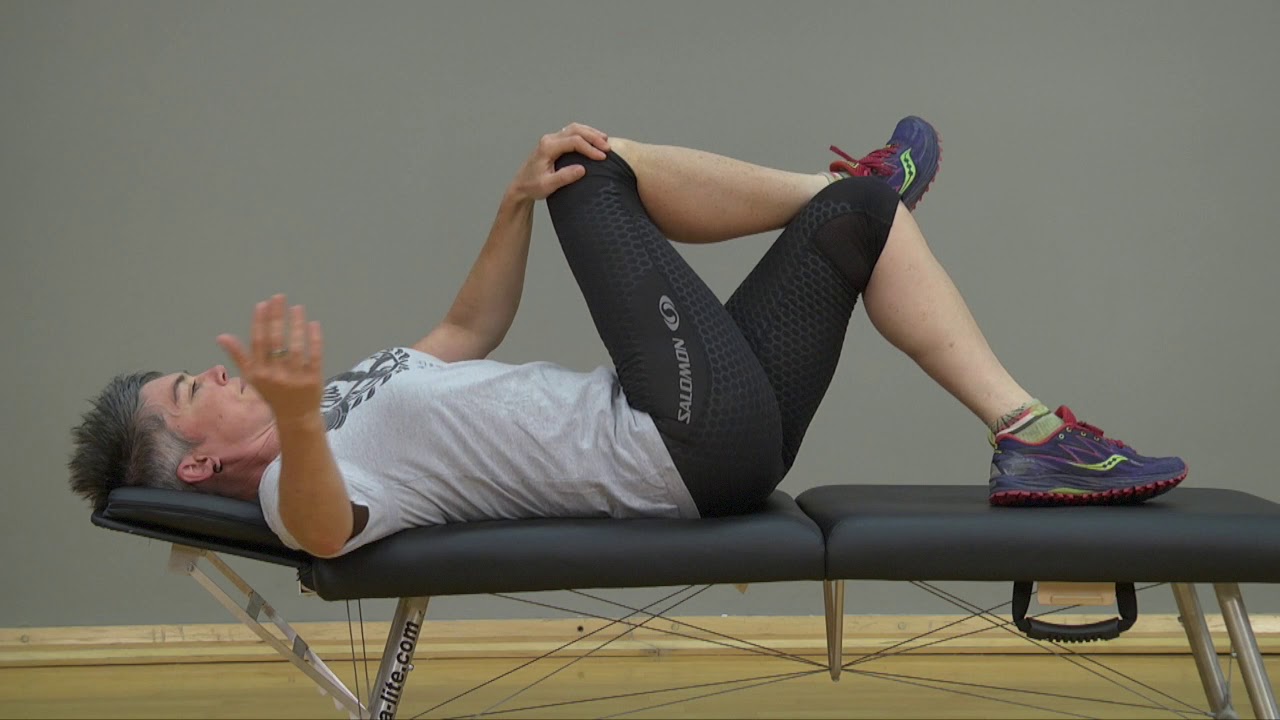
Rotation de la colonne vertébrale

Inclinaisons du bassin
Exercices de renforcement du bas du dos et de contrôle du moteur (niveau 2a)

Activation Multifidi

Activation du muscle transversal de l'abdomen
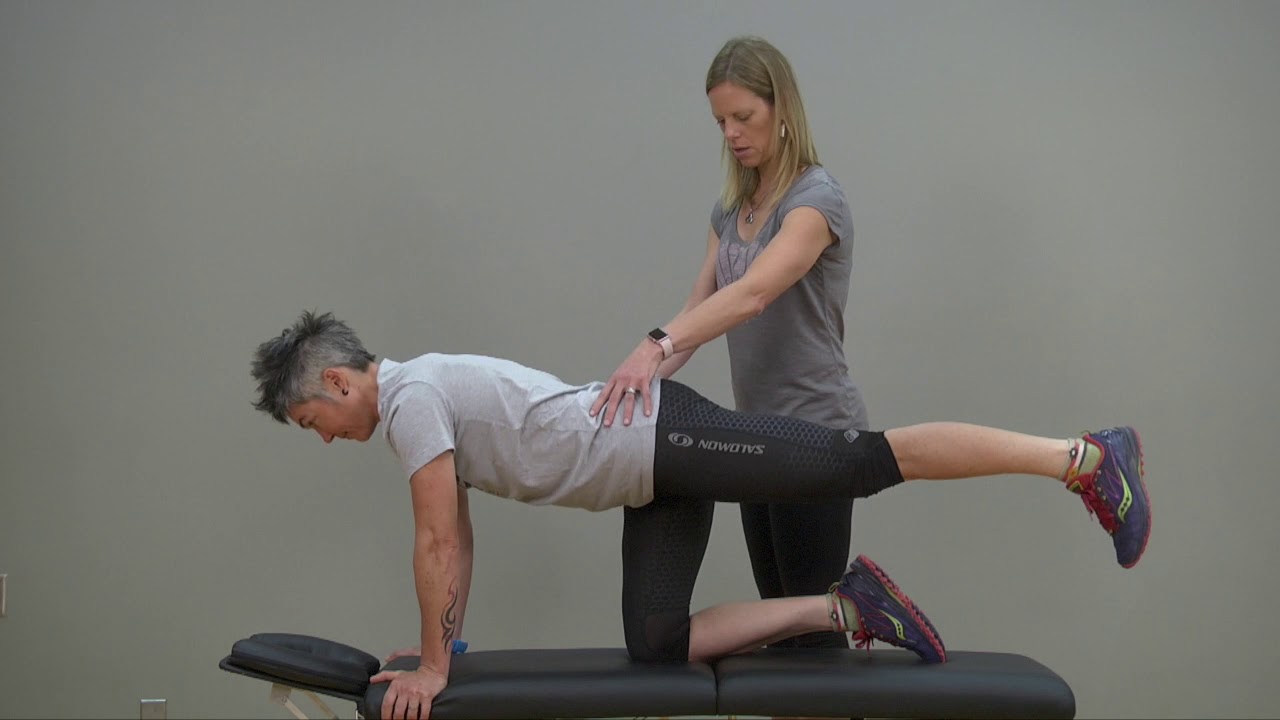
Chien d'arrêt
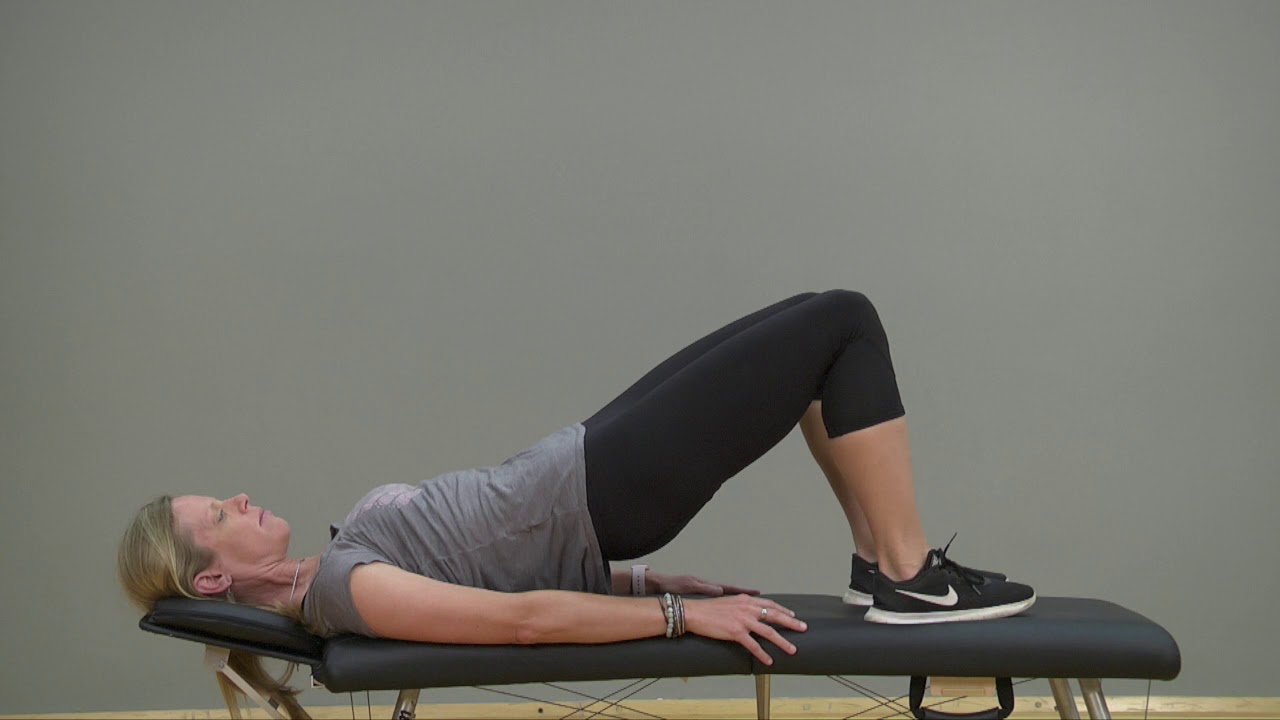
Pont couché
Exercices d'étirement du bas du dos (niveau 2b)
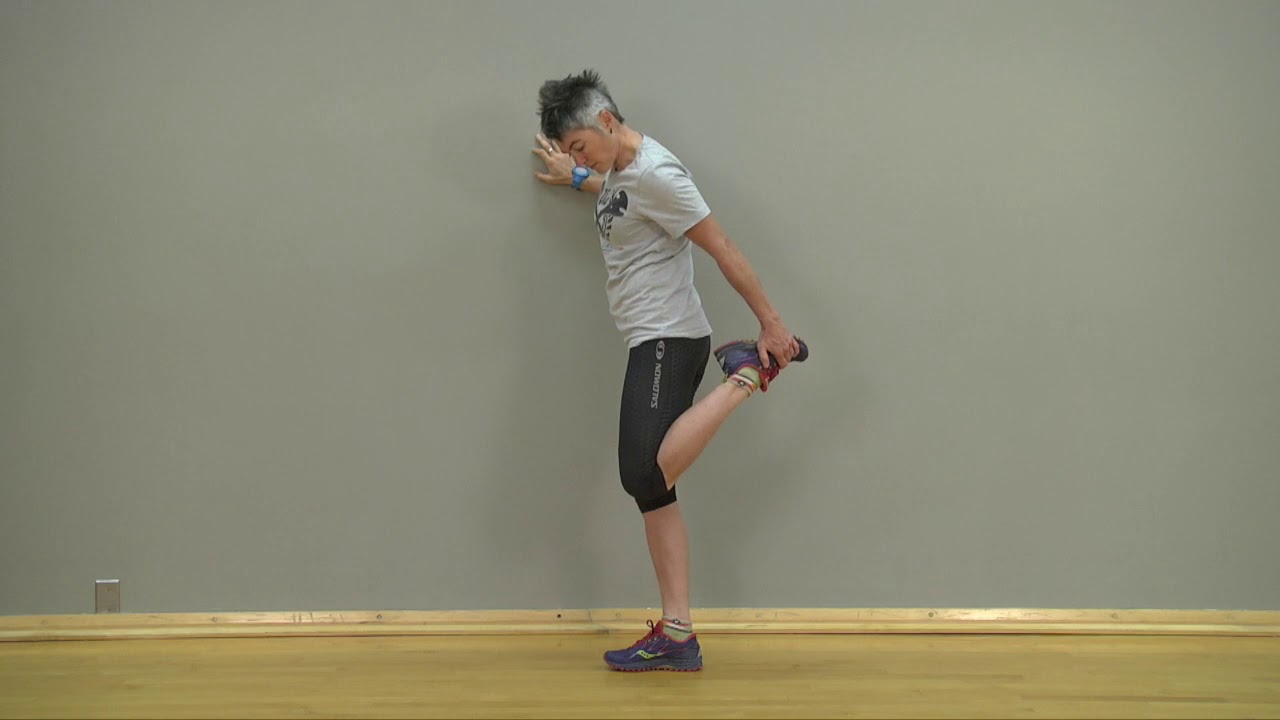
Étirement des quadriceps

Figure 4 étirement

Étirement des fléchisseurs de la hanche

Étirement des ischio-jambiers
Exercices de renforcement du bas du dos (niveau 3)

Planche de côté

Recroquevillement modifié
Exercices de yoga pour soulager les douleurs lombaires
Cette série de vidéos de yoga pour soulager les douleurs lombaires, créée par l’Initiative canadienne de lignes directrices en chiropratique (ICLC) en 2017, s’appuie sur les recommandations cliniques les plus récentes en matière de prise en charge des douleurs lombaires. Les vidéos sont présentées par le Dr David Whitty, chiropracteur et professeur de yoga certifié, filmées et montées par Mountain Man Media et réalisées par Monica Slanik.

Introduction au yoga

Chien vers le bas – Adho Mukha Svasana

Guerrier 2 – Virabhadrasana II

Cobra – Bhujangasana

Position de la pyramide – Parsvottasana

Savasana
References and Resources
- American College of Radiology. ACR Appropriateness Criteria® Low Back Pain. Revised 2021.
- Apeldoorn AT, Swart NM, Conijn D, et al. Management of low back pain and lumbosacral radicular syndrome: the Guideline of the Royal Dutch Society for Physical Therapy (KNGF). Eur J Phys Rehabil Med. 2024;60(2):292-318.
- Bronfort G, Meier EN, Leininger B, et al. Spinal manipulation and clinician-supported biopsychosocial self-management for acute back pain: the PACBACK randomized clinical trial. JAMA. 2026;335(6):497-510.
- Bussières AE, Stewart G, Al-Zoubi F, et al. Spinal manipulative therapy and other conservative treatments for low back pain: a guideline from the Canadian Chiropractic Guideline Initiative. J Manipulative Physiol Ther. 2018;41(4):265-293.
- Canadian Association of Radiologists. Don’t do imaging for lower-back pain unless red flags are present. Choosing Wisely Canada; updated June 2026.
- Centre for Effective Practice. Low Back Pain (CORE Back Tool). Updated May 2026.
- Choosing Wisely Canada. Imaging Tests for Lower Back Pain. Patient resource; accessed July 2026.
- De Bruyn F, Ambaliya S, Depreitere B. Prognostic factors for treatment success of conservative management and role for physiotherapy in radicular pain caused by a lumbar disc herniation: a systematic review. Brain Spine. 2025;5:105870.
- George SZ, Fritz JM, Silfies SP, et al. Interventions for the management of acute and chronic low back pain: revision 2021. J Orthop Sports Phys Ther. 2021;51(11):CPG1-CPG60.
- Getting It Right First Time. National Suspected Cauda Equina Syndrome Pathway. NHS England; updated March 2026.
- Government of Canada. Principles for Engaging with First Nations, Inuit and Métis: Chief Public Health Officer Health Professional Forum. 2023.
- Institut national pour l'excellence en santé et en soins. Low back pain and sciatica in over 16s: assessment and management (NG59). NICE; updated 2020.
- Institut national pour l'excellence en santé et en soins. Spinal metastases and metastatic spinal cord compression (NG234). NICE; 2023, reviewed 2026.
- Institut national pour l'excellence en santé et en soins. Spondylarthrite chez les plus de 16 ans : diagnostic et prise en charge (NG65). NICE; 2017, reviewed 2025.
- Oliveira CB, Koes BW, Pinto RZ, et al. Towards global clinical practice guidelines for the management of non-specific low back pain in primary care: a review of current guideline recommendations and how they have changed over the last 30 years. Lancet Rheumatol. 2026;8(6):e470-e485.
- Oliveira CB, Machado GC, Williams FMK, Tambree K, Maher CG. Revisiting the diagnostic classification for low back pain. BMJ. 2026;392:s353.
- Otero-Ketterer E, Peñacoba-Puente C, Pinheiro-Araujo CF, Valera-Calero JA, Ortega-Santiago R. Biopsychosocial factors for chronicity in individuals with non-specific low back pain: an umbrella review. Int J Environ Res Public Health. 2022;19(16):10145.
- Public Health Agency of Canada. Health equity and determinants of health. Government of Canada; updated July 2026.
- Public Health Agency of Canada. Trauma and violence-informed approaches to policy and practice. Government of Canada; 2018.
- Stochkendahl MJ, Kjaer P, Hartvigsen J, et al. National clinical guidelines for non-surgical treatment of patients with recent onset low back pain or lumbar radiculopathy. Eur Spine J. 2018;27(1):60-75.
- Wallwork SB, Braithwaite FA, O’Keeffe M, et al. The clinical course of acute, subacute and persistent low back pain: a systematic review and meta-analysis. CMAJ. 2024;196(2):E29-E46.
- World Health Organization. WHO guideline for non-surgical management of chronic primary low back pain in adults in primary and community care settings. Geneva: WHO; 2023.
Disclosure: Generative artificial intelligence tools assisted with drafting, editing, and reference organization. They did not approve the pathway or replace clinical judgment. CCG reviewers verified all content.