
À propos des troubles des tissus mous de l'épaule
Soft-tissue shoulder disorders are working clinical presentations involving the rotator cuff, subacromial tissues, joint capsule, long head of biceps tendon, acromioclavicular joint, labrum or shoulder stability. Conservative care may be appropriate after safety screening. Symptoms can include pain, stiffness, weakness and limits in daily activities, work, caregiving, recreation or sport (Yu et al., 2021; Lowry et al., 2024).
Clinical features overlap, and no single orthopaedic test or imaging finding establishes the source of symptoms on its own. Use working clinical descriptions and revisit the differential when the presentation or response changes (Desmeules et al., 2025; Lowry et al., 2024; Rees et al., 2021).
Scope: this pathway supports conservative assessment and care for adults with non-operative soft-tissue shoulder presentations. It does not cover unreduced dislocation, fracture, infection, tumour, acute neurovascular compromise, immediate postoperative rehabilitation, shoulder arthroplasty, systemic inflammatory disease as the primary condition or other presentations requiring medical or specialist pathways.
À propos des parcours de soins du CCG
Objectif
CCG is a knowledge translation resource of the Canadian Chiropractic Association. Its care pathways help chiropractors and other clinicians organize conservative care for musculoskeletal conditions. Each pathway outlines the main steps of the clinical encounter and supports decisions about assessment, care, monitoring, referral, co-management, and discharge. The pathways provide a structured approach to care, not a fixed prescription.
Développement
Pathways draw on relevant clinical practice guidelines, systematic reviews, peer-reviewed literature, and safety or professional sources. These sources inform, but do not determine, pathway content. Their findings reflect the questions, populations, outcomes, methods, and judgments used and may not apply to every person. Condition-specific sources are identified by author or organization and year, with full citations in one reference list at the end of the pathway.
Principles of Care
Musculoskeletal conditions are shaped by physical, psychological, social, cultural, and environmental factors, so no single approach fits everyone. Good care is ethical, evidence-informed, person-centred, culturally responsive, and tailored to the patient’s goals, preferences, circumstances, and response. Shared decision-making and informed consent guide care. Education, active rehabilitation, and self-management support recovery, functioning, participation, and long-term health. Regular reassessment shows whether the plan is helping and when to continue, adapt, stop, refer, co-manage, or discharge.populations.
Pathway Flow at a Glance
The pathway follows a recurring clinical cycle: understand the person and their goals; screen for safety and referral needs; develop a working clinical profile; agree on a plan and relevant outcomes; provide care; reassess response and safety; and continue, adapt, stop, refer, co-manage, or discharge as appropriate.
Avis de non-responsabilité
CCG care pathways support professional clinical judgment; they do not replace it or the advice of a qualified provider. They are not prescriptive, authoritative, or regulatory and are not intended for diagnosis or billing. Clinicians remain responsible for practicing within their competence and scope, meeting applicable legal and regulatory requirements, obtaining informed consent, recognizing emergencies, and arranging referral or co-management when needed.
Parcours de soins pour les troubles des tissus mous de l'épaule
1. Tenue des registres
Accurate, timely, and sufficiently detailed documentation supports safe, high-quality care. The record should reflect clinically relevant patient interactions, clinical reasoning, decisions, care provided, and progress over time. Documentation should meet the legal, regulatory, privacy, retention, and organizational requirements that apply where the clinician practices. A structured format, such as SOAP, may support consistency, clarity, and continuity and can be adapted to the encounter and practice setting.
Subjectif : Record the patient’s concerns, symptoms, functioning and participation, goals, preferences, relevant history and context, and response or adverse effects from previous care.
Objectif: Record relevant examination findings, outcome measures, diagnostic test results when available, and clinically important changes.
Évaluation: Record the clinical interpretation of findings, working diagnosis or clinical profile, differential and safety considerations, relevant risk factors or modifiers, and the patient’s progress or response.
Planifier: Record care provided or proposed, education and self-management, consent and patient decisions, changes to the plan, agreed outcomes and reassessment point, referrals or co-management, follow-up, and discharge planning.
Document at the time of the encounter or as soon as practicable. Corrections and additions should preserve the integrity of the record. Clear records support patient safety, shared decision-making, communication, continuity, and accountability.
2. Consentement éclairé
- Définition: A continuing process in which a capable patient, or an authorized substitute decision-maker when required, voluntarily agrees to a proposed examination or intervention after receiving and understanding the information needed to make an informed choice.
- Aspects clés :
- Avant l'interaction : Obtain consent before beginning an examination, procedure, or treatment, except where applicable law permits otherwise. Explain what is proposed and why. Revisit consent when the plan or material information changes.
- Volontairement et spécifiquement : must be voluntary and specific to the proposed care. Consider the patient’s capacity for the decision at the time it is required and follow applicable requirements for substitute decision-making when the patient lacks capacity. The patient may ask questions, refuse, place limits on, or withdraw consent.
- Processus transparent : Use honest, plain, and accessible communication. Offer interpretation or other communication support when needed and consider language, culture, health literacy, disability, and prior trauma. Written or digital information may support but does not replace discussion.
- Compréhension et entente du patient :
- Diagnostic/pronostic : Explain relevant findings, the clinical impression or working diagnosis, important uncertainty, and the expected course in understandable language.
- Plan de traitement : Discuss the nature and purpose of proposed care, expected benefits, material risks and side effects, burdens, reasonable alternatives, the option of no intervention, and the likely consequences of accepting or declining.
- Questions : Invite questions, explore goals and preferences, allow appropriate time for a decision, and confirm understanding, for example using teach-back.
- Documentation : Record the consent discussion and decision, including material information provided, questions, capacity or substitute decision-maker where relevant, consent, refusal, limits or withdrawal, and any need to revisit consent. Follow documentation requirements applicable to the jurisdiction and practice setting.
3. Historique médical
- Use culturally safe, trauma- and violence-informed care. Explain why questions matter, seek permission before sensitive topics, and adapt communication to the patient’s language, identity, culture, disability and previous health care experiences (Public Health Agency of Canada, 2018).
- Ask rather than assume how cultural, family, community, First Nations, Inuit, Métis or other healing practices can be included.
- Patient and contextual information: age; sex and gender when clinically relevant; language and communication needs; occupation or school; caregiving; hand dominance when relevant; sport and recreation; and activities, roles and cultural or community practices important to the patient.
Primary concerns
- Context and onset: gradual or sudden onset; recent or remote trauma; mechanism when relevant; prior episodes; previous shoulder, neck or arm injury; dislocation, subluxation or surgery; training or workload change; and whether symptoms are improving, stable, fluctuating or worsening.
- Location and pattern: duration, course, severity, irritability and 24-hour pattern of shoulder or arm symptoms; sudden loss of strength or movement; clicking, catching, instability, numbness, tingling, swelling, colour or temperature change.
- Aggravating and relieving factors: movement, position, load and time-related behaviour; night symptoms; reaching, lifting, carrying, pushing, pulling, overhead activity, dressing, grooming, driving and lying on the affected side; and response to rest, movement, position or load change.
- Associated symptoms and participation: neck, chest, arm, neurological or systemic symptoms and effects on sleep, self-care, work, school, caregiving, recreation, sport, relationships and other valued activities.
- Revue des systèmes corporels : constitutional and infectious; neurological; cardiovascular and peripheral vascular; respiratory; gastrointestinal and genitourinary; inflammatory or immune; musculoskeletal and bone health; endocrine or metabolic; skin; haematologic; sleep; cognition; and mood symptoms that may change safety, the differential diagnosis, care or referral.
- Health, lifestyle and history: past health conditions and musculoskeletal concerns; diabetes, thyroid disease, inflammatory disease, cancer and bone health; injuries, hospitalizations and surgery; medicines and supplements, including anticoagulants and corticosteroids when relevant; physical activity, training, sleep, smoking, alcohol and substance use; and family history relevant to inflammatory, neurological, cardiovascular or musculoskeletal health.
- Social determinants of health: work, education, caregiving, income, housing, food security, discrimination, safety, social support and access to appropriate care when these may shape health, care or participation (Public Health Agency of Canada, 2026a).
- Soins et interventions antérieurs : advice, rehabilitation, medication, injection, investigations, surgery or self-management tried; what helped or did not help; adverse effects; and reasons care was difficult to use or continue.
- Patient perspective: understanding of the problem, priorities, preferences, cultural context, concerns, expectations, confidence, strengths and previous experiences of care.
- Flag review: check Red Flags and refer to the separate fixed Orange Flags and Yellow Flags modules when relevant.
Outcome measures
- Use a small set that matters to the patient and is practical to repeat. Record a baseline and reassess often enough to guide decisions.
- Patient-specific functioning: Patient-Specific Functional Scale (PSFS).
- Disability and participation: WHO Disability Assessment Schedule 2.0 (WHODAS 2.0).
- Qualité de vie : WHOQOL-BREF when it fits the clinical question.
- Shoulder and upper-limb symptoms and functioning: the Shoulder Pain and Disability Index (SPADI) ou QuickDASH when a condition-specific measure will inform care.
- Symptoms and performance: a pain rating and a small number of repeatable findings or tasks relevant to the person’s goals, such as sleep, reaching, dressing, lifting, carrying, pushing, pulling, overhead work or sport, when safe.
- Objectifs individuels : agree on patient-defined goals and how progress will be recognized. SMART wording may be used when helpful.
4. Red Flags : Possible Serious Conditions and Other Causes of Shoulder Pain
Red flags are prompts for clinical reasoning, not diagnoses on their own. Interpret the whole presentation, new change and combination of findings, and use applicable emergency and referral pathways.
ACTION: Arrange emergency assessment immediately:
- Cardiopulmonary emergency: chest or upper-body discomfort with shortness of breath, sweating, nausea, light-headedness or other features suggesting a heart attack or cardiopulmonary emergency; shoulder discomfort may occur without prominent chest pain (Heart and Stroke Foundation of Canada, n.d.).
- Stroke or acute neurological emergency: sudden arm weakness or numbness, facial droop, speech difficulty, loss of balance or another sudden focal neurological change (Public Health Agency of Canada, 2026b).
- Giant cell arteritis with visual symptoms: new blurred vision, double vision or vision loss with a new persistent headache, scalp tenderness, jaw pain with chewing or shoulder or hip-girdle symptoms, especially after age 50; arrange immediate emergency eye or medical assessment (Arthritis Society Canada, n.d.).
- Septic joint or serious infection: a red, hot or markedly swollen shoulder with fever, systemic illness, recent surgery or procedure, immunosuppression or another infection risk (Desmeules et al., 2025; Rees et al., 2021).
- Traumatic dislocation, fracture or neurovascular compromise: a visibly deformed or unreduced shoulder after trauma, suspected unstable fracture, absent or reduced pulse, a cool or pale limb, rapidly progressive neurological loss or severe pain with neurovascular compromise (Rees et al., 2021).
ACTION: Arrange prompt medical assessment:
- Acute traumatic rotator cuff tear: sudden weakness or inability to actively raise the arm after trauma, especially when passive movement is less affected (Desmeules et al., 2025; Rees et al., 2021).
- Tumour or malignancy: a new mass or swelling, previous or current cancer, progressive unremitting pain, unexplained weight loss, persistent systemic symptoms or progressive neurological change (Desmeules et al., 2025; Rees et al., 2021).
- Polymyalgia rheumatica, giant cell arteritis or other inflammatory disease: new bilateral shoulder- or hip-girdle pain and prolonged morning stiffness, several inflamed joints, fever or weight loss. A new persistent headache, scalp tenderness or jaw pain with chewing may indicate giant cell arteritis even without visual symptoms and requires same-day medical assessment (Arthritis Society Canada, n.d.; Rees et al., 2021).
- Fracture or reduced dislocation: trauma with focal bony pain, swelling, loss of movement or functioning, or high fracture risk even without immediate deformity or neurovascular compromise (Rees et al., 2021).
- Cervical myelopathy, plexopathy or other progressive neurological disorder: new or progressive weakness, focal muscle wasting, reduced reflexes or persistent sensory change; hand clumsiness, gait or balance change; or upper motor neuron findings such as hyperreflexia, Hoffmann sign, clonus, an upgoing plantar response or spasticity. Interpret the pattern because individual findings are not diagnostic on their own (Hilton et al., 2022; Jiang et al., 2024).
- Severe acute atraumatic shoulder pain: severe sudden pain and major movement loss may reflect acute calcific tendinopathy after infection and other serious causes have been assessed (Desmeules et al., 2025; Rees et al., 2021).
ACTION: Arrange planned referral or shared care when:
- Specialist assessment may change care: recurrent instability, a suspected full-thickness tear, substantial persistent stiffness, an uncertain presentation or a need for imaging, medical treatment or injection assessment beyond the clinician’s role may warrant coordinated assessment.
- Another source may better explain the symptoms: cervical, neurological, cardiovascular, pulmonary, gastrointestinal, inflammatory or other referred findings need assessment outside the pathway or coordinated care.
- Safety-net advice: seek earlier reassessment for new or worsening neurological, cardiovascular, systemic or post-traumatic symptoms. Use emergency care for the findings listed above and document the findings, action, advice and follow-through.
5. Signaux d'alerte (drapeaux orange) : Symptômes de troubles psychiatriques nécessitant une orientation vers un spécialiste
Orange Flags are signs that a mental health or substance use concern may require emergency or timely assessment or shared care, and may change whether and how MSK care proceeds. They are not diagnoses. Ask directly and respectfully when concern arises, considering immediate safety, severity, change from usual, daily functioning and context. Psychosocial factors that may affect recovery but do not require separate mental health or medical assessment are addressed under Yellow Flags.
ACTION: Arrange emergency assessment now when there is immediate danger or an urgent medical need:
- Suicide, self-harm or harm to others: current intent or plan, a recent attempt, inability to stay safe, or behaviour suggesting an immediate risk of serious harm.
- Severe change in mental state: extreme agitation, confusion, disorganization, possible psychosis or mania with impaired judgment or unsafe behaviour, or inability to meet basic needs when this creates immediate danger.
- Substance-related or medical emergency: suspected overdose, severe intoxication, dangerous withdrawal, delirium or another sudden change requiring urgent medical care.
When immediate safety is uncertain, do not leave the person alone while help is arranged. Follow local emergency procedures and call 9-1-1 for immediate danger or urgent medical need. If the person is thinking about suicide, call or text 9-8-8: Suicide Crisis Helpline with them or support them to do so.
If violence, abuse or exploitation is disclosed or suspected, support immediate safety and follow applicable safety and reporting requirements.
ACTION: Arrange prompt medical or mental health assessment when there is:
- Suicide or self-harm thoughts: thoughts without immediate danger.
- Substantial symptoms or effects: severe, persistent or worsening symptoms of depression, anxiety, trauma, possible psychosis or mania, eating problems or substance use that substantially affect daily life, decision-making or safe participation in care.
- Other reasons for assessment: a marked change from usual behaviour or functioning; concern about medication or substance effects; a presentation outside the clinician’s competence; or a request for help.
Agree with the patient on who will be contacted, how soon and what to do if the situation worsens. Confirm that the person has connected with the service when clinically important.
ACTION: Adapt and coordinate MSK care:
- Safe care: care may continue when it is safe and acceptable and does not delay needed assessment. Adapt communication, examination and care; obtain ongoing consent; and coordinate with other providers with the patient’s permission.
- Continue the MSK assessment: do not assume that a mental health or substance use concern explains the MSK presentation. Continue to consider physical causes and the patient’s account.
- Questionnaires: they may support conversation and monitoring, but do not establish a diagnosis or replace direct questions, clinical judgment or action.
- Acceptable support: ask what type of help is acceptable and whether language, cultural, family, community or other supports are important to the patient.
ACTION: Document and follow up:
Record the concern; relevant questions and the patient’s responses; the safety decision and reasons; actions, advice and referrals; communication and consent; follow-up; and any unresolved concern. Follow applicable privacy, safety and reporting requirements.
For provincial, territorial and national services, see Mental health support: Get help (Public Health Agency of Canada 2026).
6. Yellow Flags: Factors that May Affect Recovery or Participation
Yellow Flags are personal, social, work, school, healthcare, environmental or structural factors that may influence symptoms, functioning, participation or response to care. They are contextual, not diagnoses or certain predictions, and do not mean that symptoms are psychological. They guide how care is tailored and do not by themselves require urgent referral. Explore them through conversation and ongoing outcome review, with attention to the patient’s priorities, strengths and circumstances. A separate Yellow Flag score is not required. New or worsening signs of serious physical illness follow the Red Flag process. Mental health or substance use concerns that need separate assessment, or any immediate safety concern, follow the Orange Flag process and applicable emergency or safeguarding procedures.
Explore relevant factors:
- Understanding, expectations and healthcare experiences: concerns about injury or damage, uncertainty, recovery expectations, confidence, conflicting advice, previous dismissal or harm, and trust in care.
- Responses to symptoms and activity: worry, fear, avoidance, cycles of doing too much and then needing prolonged rest, difficulty pacing, coping, sleep, confidence in self-management, and return to meaningful activities.
- Emotional and life context: distress, low mood, anxiety, grief, trauma, caregiving, relationship change, job loss or other major events. Ask permission before sensitive questions and limit discussion to what is relevant and acceptable to the patient.
- Relationships, culture and strengths: supportive relationships, isolation, family and community roles, cultural or spiritual practices, identity, preferences, language and other sources of resilience.
- Work, school and administrative context: physical and psychosocial demands, control, satisfaction, job security, accommodations, return concerns, and compensation, insurance or legal processes. Explore these neutrally and in context.
- Social and structural conditions: consider social and structural determinants of health (Public Health Agency of Canada 2026), including income, housing, food security, transportation, childcare, access and cost of care, discrimination, racism, colonialism, neighbourhood and workplace conditions, and physical or digital accessibility.
ACTION: Respond with the patient:
- Ask, do not assume: use open questions to understand what helps, what gets in the way, what matters and what feels feasible. Ask about strengths and protective factors, not only difficulties. Do not treat a person’s circumstances, culture or choices as a deficit.
- Plan together: integrate relevant findings into shared goals, education, self-management, physical activity or exercise, and participation in meaningful activities. Adapt communication, setting, pace, cost and access where possible.
- Connect and coordinate: with the patient’s consent, consider appropriate clinical, social, workplace, school, community, Indigenous or culturally specific supports. Clarify who will do what and follow up when the connection is important to the plan.
- Review response to care: reassess the patient’s account and the pathway’s selected outcomes at clinically relevant points. If progress differs from expected, review the clinical impression, care plan, access and other barriers; do not automatically attribute the outcome to Yellow Flags.
- Document: record relevant factors and strengths, the patient’s priorities and preferences, agreed actions, consent, referrals or coordination, follow-up, and any change requiring the Orange Flag process.
7. Examen physique
Select examination elements that answer a clinical question or may change care. Adapt the examination to the patient’s presentation, comfort, consent and abilities.
- Consent and comfort: explain what you propose, provide choices about positioning, draping, pace and support, and confirm ongoing consent before provocative, neurological or hands-on testing.
- Condition-specific safety: defer or modify examination when suspected fracture, dislocation, infection, acute neurovascular compromise, severe irritability or another safety concern makes testing inappropriate.
- Observation and relevant vital signs: general appearance, distress, swelling, deformity, skin change, muscle wasting, protective behaviour, scapular movement and use of the arm; assess vital signs when systemic, cardiovascular or another non-musculoskeletal concern makes them relevant.
- Movement and range of motion: compare active and passive shoulder movement, especially elevation and external rotation, noting range, quality, symptom response and whether restriction is global or direction-specific. A goniometer or inclinometer can improve repeatability when objective measurement will guide care (Desmeules et al., 2025).
- Strength and load tolerance: assess relevant shoulder strength and symptom response when safe. A handheld dynamometer can improve repeatability when objective measurement will guide care. Sudden marked weakness after trauma changes referral urgency (Desmeules et al., 2025).
- Neurological and neurovascular examination when indicated: motor performance, sensation, reflexes, upper motor neuron findings and neurovascular status when numbness, weakness, neck symptoms, gait change or safety concerns are present.
- Special or orthopaedic tests: use a small set within a combined assessment of the working presentation. No single test establishes a definitive tissue source (Desmeules et al., 2025; Lowry et al., 2024).
- Palpation : focal tenderness, swelling, temperature or symptom reproduction when this contributes to the assessment; palpation alone does not establish a specific pain source.
- Évaluation fonctionnelle : select safe tasks relevant to the patient’s goals, such as reaching, dressing, lifting, carrying, pushing, pulling, overhead work, sport or caregiving activities.
- Imagerie : not routine for an initial atraumatic rotator cuff-related presentation. Radiographs are relevant after important trauma or when fracture, dislocation, arthritis, calcification or another bony condition is suspected. Ultrasound, magnetic resonance imaging or other imaging can be used when the result is likely to change care or referral (American College of Radiology, 2024; American College of Radiology, 2023; Desmeules et al., 2025).
- Repeat and adapt: review the findings and tasks needed to assess progress, revisit the working clinical presentation or decide whether further assessment or referral is appropriate.
8. Présentations cliniques
Working clinical presentations
Use these as working clinical descriptions rather than definitive tissue diagnoses. Presentations can overlap or change, and structural findings may not explain the person’s symptoms or functioning (Desmeules et al., 2025; Lowry et al., 2024; Rees et al., 2021).
- Rotator cuff-related shoulder pain: pain commonly occurs with elevation, reaching, lifting, resisted shoulder loading or lying on the affected side. Active movement or strength may be more affected than passive movement. This presentation can include rotator cuff tendinopathy, partial-thickness tear, subacromial pain or related bursal symptoms; the term impingement does not establish a mechanism (Desmeules et al., 2025; Rees et al., 2021).
- Shoulder stiffness or adhesive capsulitis: pain and progressive stiffness with marked restriction of active and passive movement, often including external rotation. Diabetes, thyroid disease and bony or other causes may change assessment or care (Rees et al., 2021).
- Calcific rotator cuff tendinopathy: a calcific presentation can resemble other rotator cuff-related pain or cause a sudden severe episode. Imaging confirms calcification when the result will change care (Desmeules et al., 2025; Rees et al., 2021).
- Instability: apprehension, a sense of slipping, recurrent subluxation or dislocation, or symptoms in positions of vulnerability. Distinguish traumatic from atraumatic onset and record recurrence, activity demands and voluntary or involuntary episodes (Rees et al., 2021).
- Acromioclavicular, biceps-related or labral presentation: localized superior pain with cross-body or load-bearing tasks may suggest acromioclavicular involvement. Anterior pain, clicking or catching may involve the long head of biceps tendon or labrum, but individual tests have limited ability to identify one structure (Lowry et al., 2024).
- Alternative or overlapping presentation: global passive restriction with crepitus may suggest glenohumeral osteoarthritis. Neck or nerve-root conditions, peripheral neuropathy, inflammatory disease and cardiovascular, pulmonary, gastrointestinal or other referred sources can overlap with shoulder symptoms. Refer or coordinate care when needs extend beyond the clinician’s role (Rees et al., 2021).
9. Considérations relatives au traitement
Develop care with the patient. Choices reflect the working presentation, safety, goals, preferences, culture, access, other health conditions, previous responses and treatment burden. Respect the patient’s right to accept, decline, limit or stop any part of care.
Education, self-management and participation
- Condition and self-management information: options include a clear explanation of the working presentation, activity and pain-management strategies, pacing and gradual resumption of daily, work and sport activities (Desmeules et al., 2025; Yu et al., 2021).
- Participation planning: build return to work, school, caregiving, recreation or sport around current capacity, repeated outcomes, confidence and task demands rather than a fixed calendar.
Protection and optimal loading
- Acute injury: options include brief relative protection, temporary support and reduction of the provoking load when needed for comfort and safe daily activity, followed by progressive movement and loading as the presentation permits. Suspected fracture, dislocation or acute traumatic tear follows Red Flags (Desmeules et al., 2025; Rees et al., 2021).
- Persistent load-related pain: temporary changes to reaching, lifting, carrying, pushing, pulling, overhead work, side-lying or training load can reduce repeated provocation while maintaining feasible movement and participation. Reintroduce tasks as capacity and confidence improve (Desmeules et al., 2025; Yu et al., 2021).
- Presentation-specific loading: stiffness care can emphasize tolerable movement; instability care can build control and capacity around vulnerable positions; and rotator cuff-related care can progress resistance and task load. The choice reflects irritability, safety, goals and response.
Physical activity and exercise
- Progressive exercise: options include individualized mobility, motor-control, resistance, endurance and task-specific exercise. Type, amount and progression reflect the presentation, goals, starting capacity and response (Desmeules et al., 2025; Yu et al., 2021).
- Working-presentation focus: exercise for stiffness, instability and rotator cuff-related pain can emphasize the mobility, control, confidence and loading demands relevant to that presentation without implying one universally correct movement pattern (Desmeules et al., 2025; Rees et al., 2021).
- Return to valued activity: task practice can progress from daily and work demands to higher-load or sport-specific reaching, lifting, carrying, throwing or contact tasks when relevant.
Hands-on and symptom-relieving care
- Shoulder manual therapy: joint mobilization or manipulation and soft-tissue techniques can accompany active care when a short-term change in pain or movement helps participation (Desmeules et al., 2025; Yu et al., 2021).
- Cervicothoracic or thoracic care: mobilization or manipulation is an option when shoulder pain occurs with relevant pain or restricted movement in the cervicothoracic or thoracic region (Yu et al., 2021).
- Other symptom-relieving options: heat or cold, low-level laser therapy and acupuncture can be used when safe, acceptable and linked to a specific symptom or participation goal. Review whether the option adds useful benefit (Desmeules et al., 2025; Yu et al., 2021).
- Culturally grounded and personal strategies: traditional, Indigenous, spiritual, community-based or other symptom-relieving approaches identified by the patient can be integrated when safe, acceptable and within scope.
Psychological, social and interdisciplinary support
- Psychologically informed care: supportive communication, graded exposure and coping strategies can form part of care when fear, distress, low confidence, mood or anxiety affects activity or recovery. Coordinate mental-health care when needs extend beyond the clinician’s competence or scope (Desmeules et al., 2025).
- Social and practical support: workplace, school or sport accommodations, community services and culturally specific supports can help participation when they match the patient’s priorities.
Medication and procedural shared care
- Medication questions: short-term acetaminophen or nonsteroidal anti-inflammatory drugs are medical options for rotator cuff tendinopathy. Review current use, expected benefit, contraindications, adverse effects and interactions with an authorized prescriber or pharmacist; prescribing and dosing remain with that provider (Desmeules et al., 2025).
- Corticosteroid injection: can provide short-term pain and disability relief for selected adults with rotator cuff tendinopathy. The medical decision reflects the working diagnosis, expected benefit, risks, previous care and the person’s goals, and does not replace active care (Desmeules et al., 2025).
- Imaging-confirmed calcific rotator cuff tendinopathy: extracorporeal shock-wave therapy, low-level laser therapy or medical assessment for calcific lavage can form part of presentation-specific shared care (Desmeules et al., 2025; Yu et al., 2021).
- Specialist opinion: can form part of shared care for recurrent instability, suspected full-thickness tear, substantial persistent stiffness, severe calcific presentation, uncertain diagnosis or symptoms that remain limiting when further imaging, medical treatment or procedural care may change management.
Monitoring and reassessment
- Agree on a reassessment point based on the presentation, safety, goals, care being tried, patient needs and access rather than a fixed visit schedule.
- Repeat the small outcome set recorded at baseline and review symptoms, relevant neurological findings, movement and load tolerance, functioning, participation, confidence, benefits, adverse effects, treatment burden and progress toward patient-defined goals.
- Continue what is useful and acceptable; adapt or stop what is not; and revisit Red Flags, the working presentation, differential diagnosis, imaging, referral or shared care when progress differs from expectations or new safety concerns emerge.
10. Prognosis and Prognostic Factors
- Expected course: the course varies by presentation. Rotator cuff tendinopathy often improves with non-surgical care, but symptoms can persist or recur; adhesive capsulitis, recurrent instability and substantial tears follow different courses. Use observed change rather than a fixed timeline (Desmeules et al., 2025; Rees et al., 2021).
- Factors associated with a less favourable course: for rotator cuff tendinopathy and general shoulder pain, longer symptom duration, greater pain, previous shoulder injury, older age, psychological distress, limited social support and high physical or psychosocial work demands may be associated with poorer outcomes. Associations are often weak or based on limited evidence and do not determine an individual’s outcome (Desmeules et al., 2025).
- Potential supports for recovery: feasible self-management and active rehabilitation, confidence, supportive relationships and workplaces, relevant accommodations and access to coordinated care may support recovery (Desmeules et al., 2025; Yu et al., 2021).
- Discussing prognosis: describe uncertainty in plain language, ask what the patient wants to know, and update the outlook using repeated outcomes and the observed course. Do not treat a prognostic factor, imaging finding or screening score as a fixed prediction.
11. Suivi continu
Ongoing follow-up is a shared review of whether the plan remains safe, useful, acceptable and aligned with the patient’s goals. The timing of review should reflect symptoms, risk, the care being tried, goals and access rather than a fixed visit schedule.
- Review symptoms and safety: ask what has changed in symptoms, functioning and daily activities; review adverse effects; and check for new or worsening Red Flags and relevant Orange or Yellow Flag concerns. Arrange earlier or urgent assessment when the findings require it.
- Review outcomes: repeat the small set chosen at baseline and use the same measures when possible. These may include the Patient-Specific Functional Scale, WHODAS 2.0, quality of life using the patient’s own rating or a measure such as WHOQOL-BREF, symptom impact, participation and the patient’s own assessment of change. Interpret measures with the patient and alongside what has changed in daily life rather than relying on a score alone.
- Review goals, preferences and consent: ask whether care remains acceptable, feasible and worthwhile; revisit goals and priorities; and confirm consent when the plan or circumstances change.
- Adapt care: continue what is useful and acceptable, and change, pause or stop what is not. If progress is not sufficient from the patient’s perspective, review the clinical impression, the fit and amount of care, barriers to participation, other health or social factors and whether other expertise is needed.
- Support self-management and participation: review the strategies the patient is using, including physical activity or exercise, symptom management, pacing and participation in work, school, caregiving, recreation or community life. Ask what is helping and which barriers can be addressed.
- Orientation et cogestion : arrange emergency assessment for Red Flags requiring urgent care. Consider referral or co-management when findings or needs are beyond the clinician’s role, the patient’s condition is worsening, progress remains insufficient after the plan has been reviewed, or the patient requests another opinion.
- Plan the next step: agree whether to continue, change the interval between visits, move toward more self-directed care, or apply the Criteria for Discharge section.
12. Critères de sortie
Discharge is a shared decision about ending or transferring a course of care. It does not require complete symptom resolution, a normal outcome score or a fixed number of visits.
- When discharge may be appropriate: consider discharge when the patient’s goals have been met to a degree they consider satisfactory; the patient feels able to manage with less or no clinician involvement; the patient chooses to end care; continued care is not providing enough benefit to justify its burden, cost or time; or care is being transferred to another provider.
- Reassess before discharge: review symptoms, functioning, participation, selected outcomes, goals, adverse effects, confidence and preferences. Check for new or worsening Red Flags and any Orange or Yellow Flag concerns that still require action. If the condition is worsening or a safety concern remains, arrange the required assessment or referral rather than routine discharge.
- When progress has slowed: review the clinical impression, response to care, goals, barriers and access, other health or social factors, and other reasonable options before deciding with the patient whether to continue, change or end care.
- Plan after discharge: agree on self-management, physical activity or exercise, symptom management, pacing and participation in work, school, caregiving, recreation or community life. Explain which changes should prompt earlier or urgent assessment and when and where to seek care.
- Future access to care: explain how the patient can return if symptoms recur, functioning declines, or goals or demands change. Any planned future review or supportive care should have an agreed purpose, expected benefit and review point.
- Referral or transfer: explain the reason, share a relevant summary with the patient’s consent, and clarify who will address outstanding concerns when possible. Avoid an unintended gap in care when safety or ongoing needs remain.
- If the patient ends care or does not return: respect the patient’s right to stop. Record what is known and unknown about the outcome, advice or referral offered, attempts to communicate when clinically warranted, and any unresolved safety concern. Follow applicable record keeping and communication requirements.
- Documentation : record the reason care ended, the patient’s status and selected outcomes, goals and preferences, unresolved concerns, advice and self-management plan, referral or transfer details, and how to seek care again if needed.
Vidéos d'exercices
Nous tenons à remercier les membres de notre comité d'experts en exercices pour l'épaule pour leur contribution : les docteurs Nicholas Moser, Kim Castle, Caroline Poulin et Nadia Richer, pour leur travail de conception de ces exercices. Nous remercions tout particulièrement les docteurs Poulin et Richer pour leur travail de développement, de traduction et de démonstration de ces vidéos. Nous remercions également le docteur André Bussières pour la narration de ces vidéos et M. Yannick Maltais pour l'enregistrement et le montage.
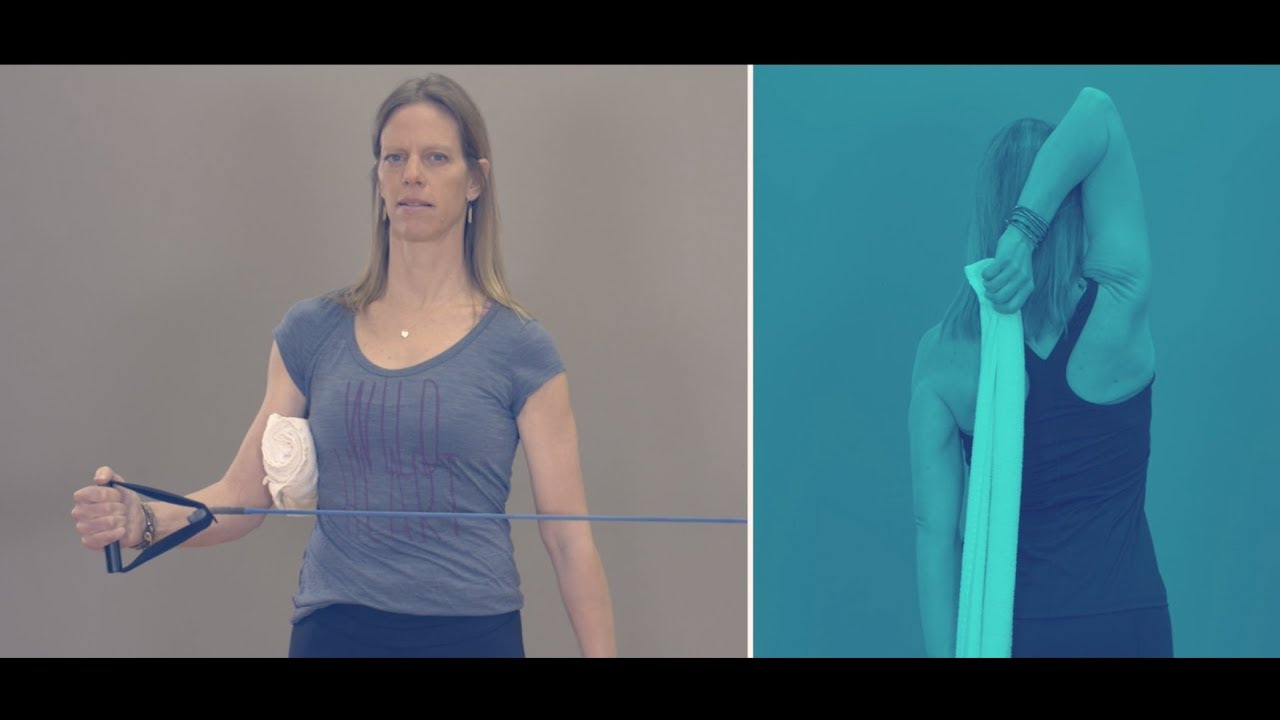
Introduction aux vidéos d'exercices d'épaule CCGI
Mobilité de l'épaule

Mobilité scapulaire

Pendule

Lingettes à table

Mobilité du balai

Exercice de relaxation du trapèze
Étirement des épaules

Étirement assisté par une serviette

Étirement de couchage

Étirement arrière des épaules

Étirement pectoral
Exercices isométriques des épaules

Exercices isométriques des épaules
Renforcement des épaules

Excentrique plein peut

Coup de poing Serratus
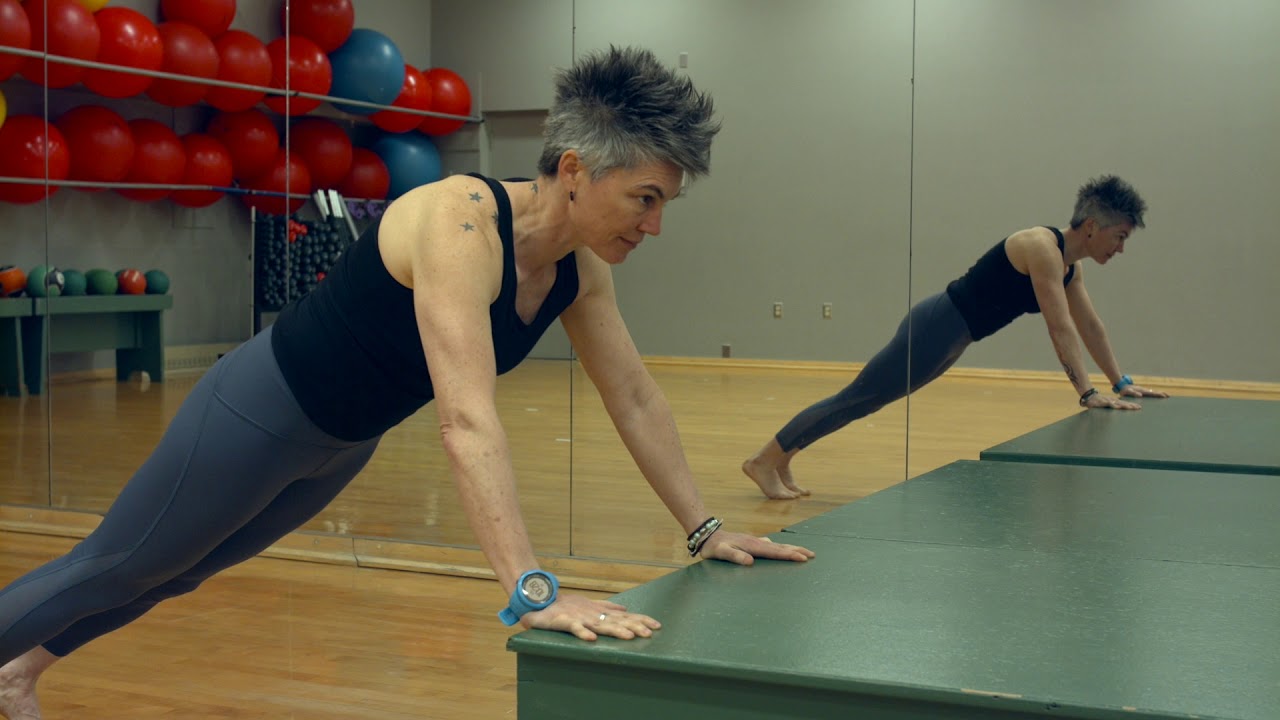
Pompes plus

Rotation externe excentrique

Rotation externe

Rotation interne

Rangée basse
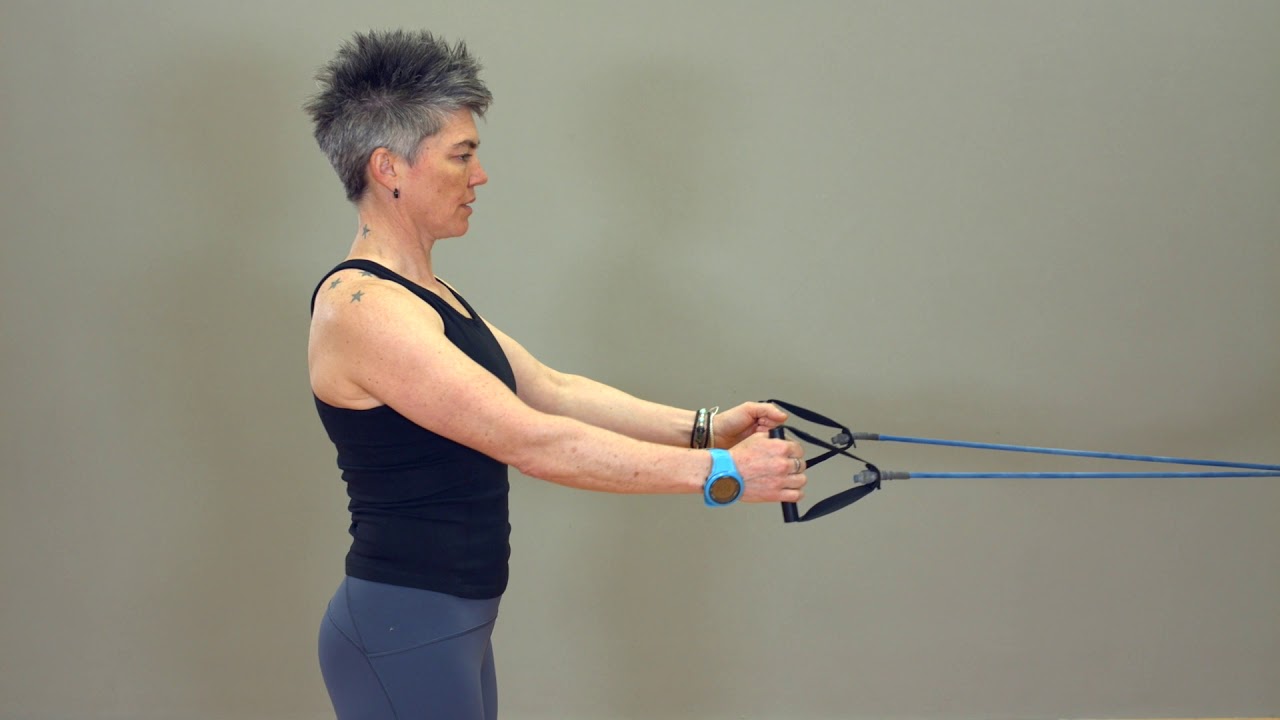
Tirage bras tendus vers le bas
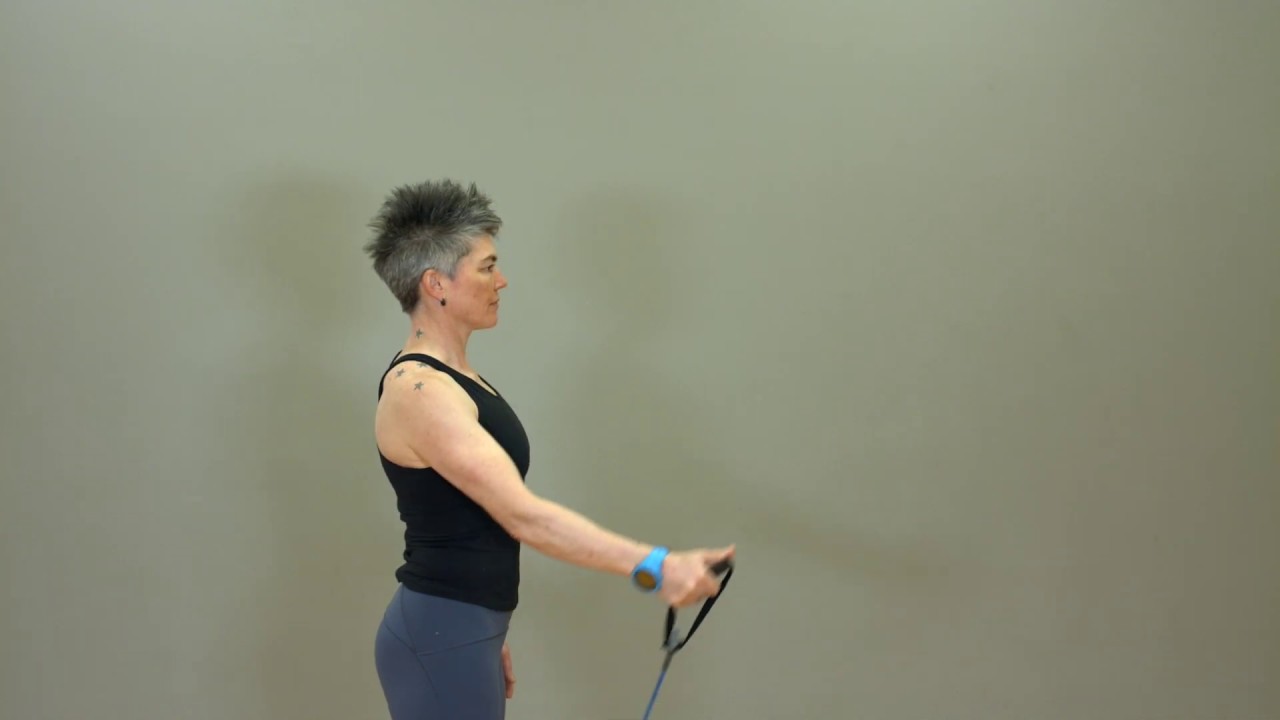
Le front se lève
Avancé

étirement du sous-scapulaire

Trois façons de se tenir debout

Boîte vide modifiée

But de terrain
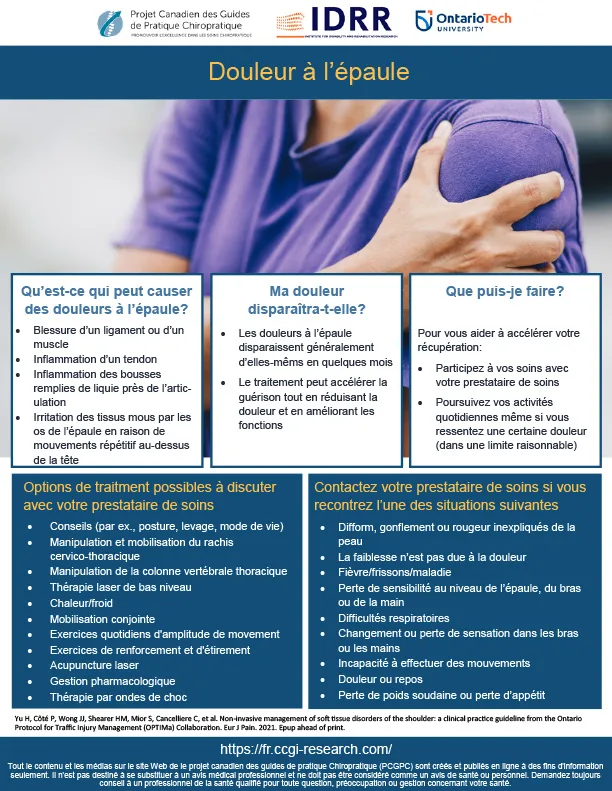
Document d'information à l'intention des patients
Références
- American College of Radiology. (2023). ACR Appropriateness Criteria® Chronic Shoulder Pain: 2022 Update. Journal of the American College of Radiology, 20(5 Suppl), S49-S69.
- American College of Radiology. (2024). ACR Appropriateness Criteria® Acute Shoulder Pain. Imaging guideline; revised 2024.
- Arthritis Society Canada. (n.d.). Polymyalgia Rheumatica with Giant Cell Arteritis. Patient and clinician resource.
- Desmeules, F., Roy, J. S., Lafrance, S., et al. (2025). Rotator Cuff Tendinopathy Diagnosis, Nonsurgical Medical Care, and Rehabilitation: A Clinical Practice Guideline. Journal of Orthopaedic & Sports Physical Therapy, 55(4), 235-274. https://doi.org/10.2519/jospt.2025.13182
- Heart and Stroke Foundation of Canada. (n.d.). Signs of a heart attack. Emergency signs resource.
- Hilton, B., Gardner, E. L., Jiang, Z., et al. (2022). Establishing diagnostic criteria for degenerative cervical myelopathy [AO Spine RECODE-DCM Research Priority Number 3]. Global Spine Journal, 12(1 Suppl), 55S-63S. https://doi.org/10.1177/21925682211030871
- Jiang, Z., Davies, B., Zipser, C., et al. (2024). The value of clinical signs in the diagnosis of degenerative cervical myelopathy: a systematic review and meta-analysis. Global Spine Journal, 14(4), 1369-1394. https://doi.org/10.1177/21925682231224614
- Lowry, V., Lavigne, P., Zidarov, D., et al. (2024). A Systematic Review of Clinical Practice Guidelines on the Diagnosis and Management of Various Shoulder Disorders. Archives of Physical Medicine and Rehabilitation, 105(2), 411-426. https://doi.org/10.1016/j.apmr.2023.09.022
- Public Health Agency of Canada. (2018). Trauma and violence-informed approaches to policy and practice. Government of Canada.
- Public Health Agency of Canada. (2026a). Health equity and determinants of health. Government of Canada.
- Public Health Agency of Canada. (2026b). Stroke. Government of Canada.
- Rees, J. L., Kulkarni, R., Rangan, A., et al. (2021). Shoulder Pain Diagnosis, Treatment and Referral Guidelines for Primary, Community and Intermediate Care. Shoulder & Elbow, 13(1), 5-11. https://doi.org/10.1177/1758573220984471
- World Health Organization. (n.d.). WHOQOL: Measuring quality of life. Outcome-measure resource.
- Yu, H., Côté, P., Wong, J. J., et al. (2021). Prise en charge non invasive des troubles des tissus mous de l'épaule : Guide de pratique clinique issu de la collaboration du Protocole ontarien de gestion des traumatismes routiers (OPTIMa). European Journal of Pain, 25(8), 1644-1667. https://doi.org/10.1002/ejp.1788
Disclosure: Generative artificial intelligence tools assisted with drafting, editing, and reference organization. They did not approve the pathway or replace clinical judgment. CCG reviewers verified all content.